A customer from Mississauga called us last fall, frustrated. He’d bought what a local supplier described as “outdoor-grade natural stone” for his entrance pier caps. He paid good money for it and after one Ontario winter, two of the four caps had cracked clean through.
When we looked at the photos, the problem was obvious to us immediately. Wrong stone. Wrong finish. Wrong questions asked at the point of purchase.
We’ve seen this more times than we’d like. Homeowners invest in beautiful natural stone coping or pier caps, skip a few critical questions upfront, and end up with expensive repairs by spring.
This guide gives you exactly the five questions you should ask any stone supplier before you buy whether you’re working with us or anyone else. Ask these, and you’ll protect your investment from day one.
Why These Questions Matter More in Canada Than Almost Anywhere Else
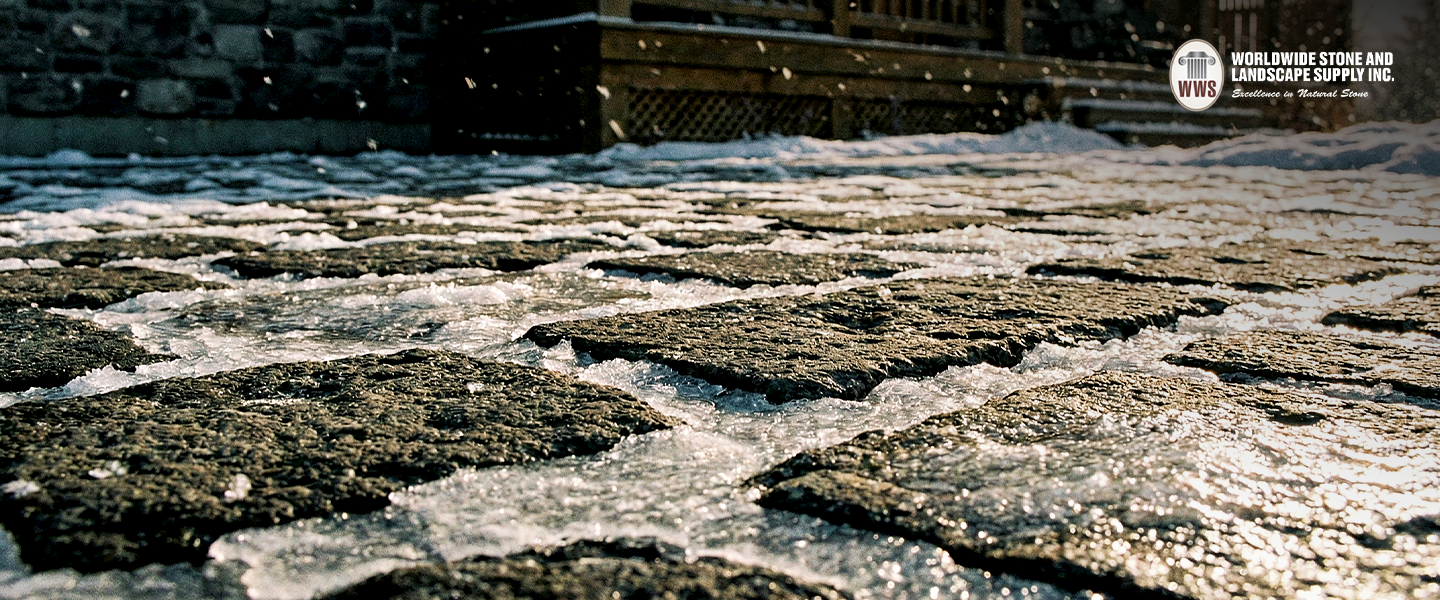
Canada and Ontario specifically is one of the most demanding environments on the planet for outdoor stone. You’re asking for a material to handle July humidity, chlorine exposure, direct freeze-thaw cycles from October through April, and sometimes -30°C overnight lows. A stone that performs beautifully in a Florida courtyard or a Mediterranean patio can fail badly here.
Pier caps and pool coping face particular stress because they sit fully exposed on top of a structure. There’s no soil insulation underneath, no shelter above. Water lands on them, sits on them, seeps into them and then freezes. If the stone isn’t right, that cycle destroys it from the inside out, one winter at a time.
The good news? Asking the right questions before you buy protects you completely. Here’s where to start.
#1: What Is the Water Absorption Rate of This Stone?
This is the single most important technical question you can ask, and most homeowners never think to ask it. Water absorption rate tells you how much moisture a stone soaks up and in a freeze-thaw climate, it’s the difference between a 30-year installation and a 3-year headache.
The Natural Stone Institute sets a clear benchmark: for exterior applications in freeze-thaw climates, you want stone with less than 0.75% water absorption. Any reputable supplier should be able to give you this number for the specific stone they’re selling, not a category average, the actual material.
What the Numbers Mean in Practice
Granite typically comes in under 0.5% which is why we recommend it so confidently for pier caps and pool coping across Ontario. Dense limestone sits around 1–3% depending on the quarry, which is workable with proper sealing. Travertine unfilled can run 3–7%, which is why installation prep is everything with that material.
If a supplier can’t give you an absorption rate, or brushes the question off with “it’s good quality stone,” that’s a red flag. At Worldwide Stone, we source from vetted international quarries and can provide technical data sheets for every product we carry. That’s just standard practice for anyone serious about Canadian climate performance.
#2: Is This Stone Rated for Exterior Freeze-Thaw Use and What Finish Is It?
These are actually two questions in one, and they’re inseparable. A stone can be technically suitable for exterior use but supplied in the wrong finish and the finish dramatically affects both safety and durability.
Finish Matters More Than Most People Realize
A polished granite pier cap looks stunning in a showroom. But polished stone is slippery when wet, and the high-gloss surface can show micro-cracks and spalling more readily after freeze-thaw stress. For pier caps and coping, we almost always recommend a flamed, honed, or bush-hammered finish; they provide better grip, handle thermal expansion better, and age more gracefully outdoors.
Travertine should always be filled for any Ontario exterior application. Unfilled travertine with its open voids is essentially inviting water in and giving it somewhere to expand. We’ve pulled up unfilled travertine coping after a single winter that looked like someone had taken a chisel to it.
Ask your supplier specifically: “Is this finish rated for exterior freeze-thaw use?” A good supplier will tell you exactly which finishes they recommend for your application and climate. If they don’t distinguish between interior and exterior finishes, find someone who does.
#3: Where Was This Stone Quarried, and How Was It Sourced?
This question serves two purposes: it tells you something about quality consistency, and it tells you something about the supplier’s integrity.
Stone from established, reputable quarries in countries like Brazil, Portugal, India, and Turkey comes with documented geology, consistent density, and known performance data. Stone sourced opportunistically from secondary markets or worse, rebranded with vague country-of-origin labels can vary wildly in quality even within the same pallet.
Why Ethical Sourcing Is a Real Performance Issue
At Worldwide Stone, we’ve built direct relationships with quarry partners over 20+ years. We visit suppliers, we test materials, and we don’t carry stones we haven’t vetted. That’s not just an ethical position, it’s a quality control position. Inconsistent stone from unverified sources means inconsistent absorption rates, inconsistent density, and inconsistent behaviour under Ontario freeze-thaw conditions.
Ask your supplier: “Can you tell me which quarry this came from and provide technical documentation?” You’re not being difficult. You’re asking the same question a good engineer would ask before specifying materials for a structure. Any supplier worth their reputation will answer without hesitation.
You can also cross-reference sourcing standards through the Natural Stone Institute’s supplier certification program, a useful benchmark when evaluating suppliers.
#4: What Sealer Do You Recommend, and How Often Does This Stone Need It?
Natural stone isn’t maintenance-free but the maintenance burden varies enormously between stone types and applications. Pier caps sit on top of pillars fully exposed to weather, and pool coping lives in a chemically aggressive, wet environment. Both applications demand a clear sealing plan from day one.
A supplier who says “oh, it doesn’t really need sealing” is either selling you the wrong stone or oversimplifying. Every natural stone used in Ontario’s exterior climate benefits from sealing. The question is what kind and how often.
What Good Sealing Advice Looks Like
- For granite pier caps and coping: a penetrating impregnating sealer, applied once pre-installation and refreshed every 2–3 years. Granite’s low porosity means it doesn’t need much, but sealing the grout joints is non-negotiable.
- For limestone: penetrating sealer before installation, again after grouting, and annually thereafter. Limestone coping stones is more porous and more reactive to acid rain and pool chemicals.
- For travertine: two coats pre-installation on all surfaces including the underside, one coat post-grouting, and strict annual maintenance. No exceptions in Ontario.
Ask your supplier for a specific product recommendation not a generic “use a stone sealer.” A knowledgeable supplier will name a brand and explain why it suits that particular stone. We always include sealing guidance with every order we fulfill, because we know the installation outcome reflects on us too.
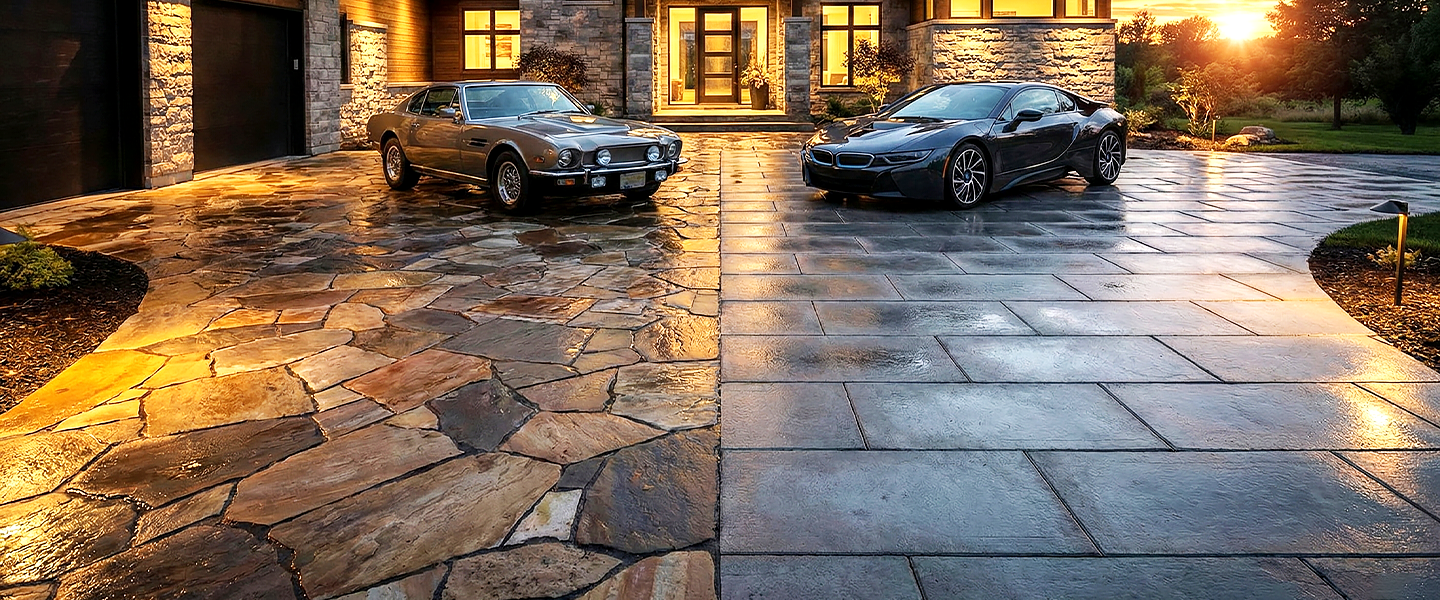
Invest once in natural stone, enjoy your elegant driveways for decades.
#5: What Are the Common Installation Mistakes for This Stone in Cold Climates?
This question reveals everything about how experienced your supplier actually is. If they give you a blank look or a generic answer, they’ve probably never seen their own stone perform through an Ontario winter firsthand.
The installation variables that determine long-term success aren’t mysterious but they’re commonly ignored, especially by contractors who learned their trade in warmer climates.
The Mistakes We See Every Spring
- Wrong mortar: This is the most common one. Standard interior thin-set has no place under exterior stone in a freeze-thaw environment. You need a polymer-modified mortar specifically rated for wet exterior applications. We’ve seen perfectly good stone pop off pillars and pool decks simply because the wrong mortar was used underneath.
- No expansion joints: Stone moves. It expands in heat and contracts in cold, and over an Ontario winter that thermal range is extreme. Without properly placed expansion joints especially on longer runs of coping or sequences of pier caps cracking is almost inevitable. The stone isn’t failing; the installation is.
- Inadequate substrate preparation: Pier caps need a solid, level, properly sloped substrate. Pool coping needs the right overhang and bond beam preparation. Stone installed over a cracked or uneven base will reflect those imperfections and amplify them after the first hard freeze.
- Improper drainage slope: Water needs to run off the stone surface, not sit on it. A minimum slope of ¼ inch per foot away from structures is standard. We see this missed constantly on DIY and contractor installs alike.
For a broader look at installation quality standards, the Tile Council of North America’s guidelines are a useful reference that applies directly to natural stone exterior installations in cold climates.
Explore our installation tips and project guides for real examples of how we approach these details on Ontario installations.
Final Thoughts
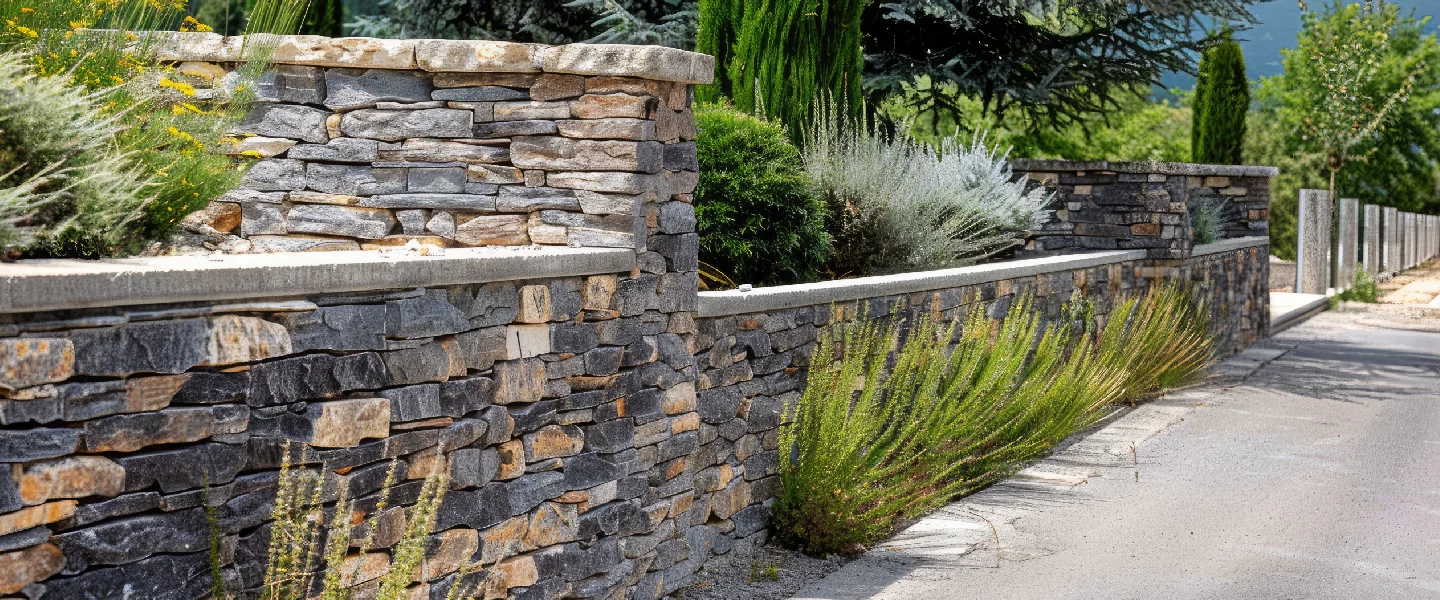
Natural stone coping and pier caps are one of those details that quietly define the look and longevity of an outdoor space. They protect structures from water damage, frame architectural elements, and add a level of craftsmanship that manufactured materials rarely replicate. But in a climate like Canada’s, beauty alone isn’t enough performance matters just as much.
The difference between a stone installation that lasts decades and one that fails after a single winter usually comes down to a handful of decisions made before the stone is ever installed.
You just need to ask the right question to the right supplier and work with professionals who understand how natural stone behaves in freeze-thaw environments.
Don’t overwhelm yourself. Let us help you sort this! You just book a free consultation with WorldWide Stone.
Frequently Asked Questions
Q1:Can I use any natural stone for pier caps in Ontario, or are some types off-limits?
Some stones really aren’t suitable for Ontario pier cap applications regardless of how they’re installed. Very soft sandstone, unfilled travertine, and highly porous limestone are the main ones we’d steer you away from. For pier caps, you want dense stone with low water absorption granite and quality limestone are our standard recommendations. Always ask for the absorption rate before buying.
Q2: How thick should natural stone pier caps be?
For structural stability and freeze-thaw durability, we recommend a minimum of 3 cm (about 1¼ inches) thickness for pier caps. Thinner than that and you’re increasing the risk of cracking under thermal stress especially if the substrate isn’t perfectly flat. We typically supply pier caps at 3–4 cm depending on the stone type and pillar size.
Q3: Is it worth hiring a professional installer for natural stone coping and pier caps, or is this a DIY job?
Honestly? For pier caps and pool coping stones specifically, we always recommend working with an experienced stone installer not a general contractor who “also does stonework.” The mortar selection, substrate prep, expansion joint placement, and sealing sequence are all technical decisions that directly affect long-term performance. A weekend DIY install can void any material guarantee and cost you significantly more in repairs down the road.
Q4: How long should natural stone pier caps and coping last in Ontario if installed correctly?
With the right stone, correct installation, and routine sealing maintenance, you should expect 25–40 years of performance from quality natural stone pier caps and coping. We have installations in the GTA and Muskoka from the early 2000s that still look excellent. The keyword is “correctly” shortcuts on installation or sealing can reduce that lifespan dramatically.
Q5: Do you supply custom-cut pier caps and coping for non-standard pillar sizes?
Yes this is actually one of our most common requests. Pillars and pool structures rarely come in perfectly standard dimensions, and natural stone can be cut precisely to your specifications. Reach out to us at worldwidestone.ca with your measurements and we’ll work through the options with you.
Q6: What's the best stone for matching new pier caps to existing stonework on my property?
This depends entirely on what you have, and it’s a question we love helping with. Bring us a photo and the approximate age of your existing stonework. We’ve matched granite, limestone, and sandstone on heritage properties, newer builds, and everything in between. Browse our natural stone product range to get a sense of what we carry, then call us and we’ll narrow it down.