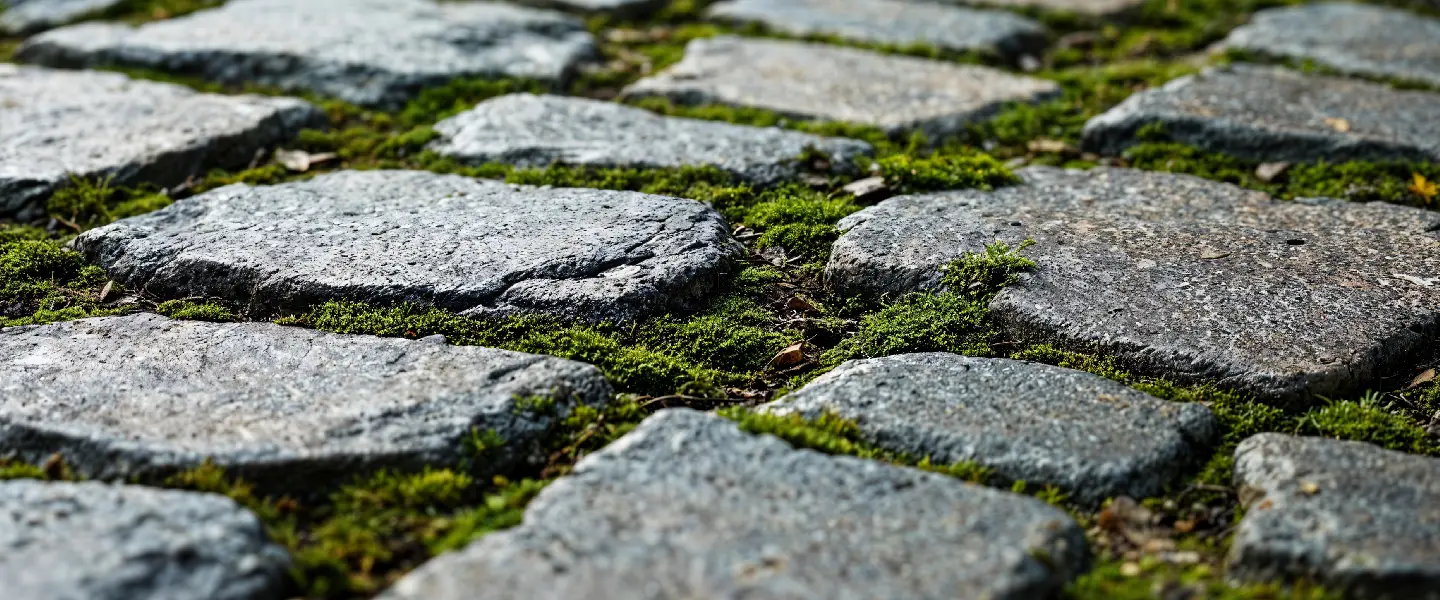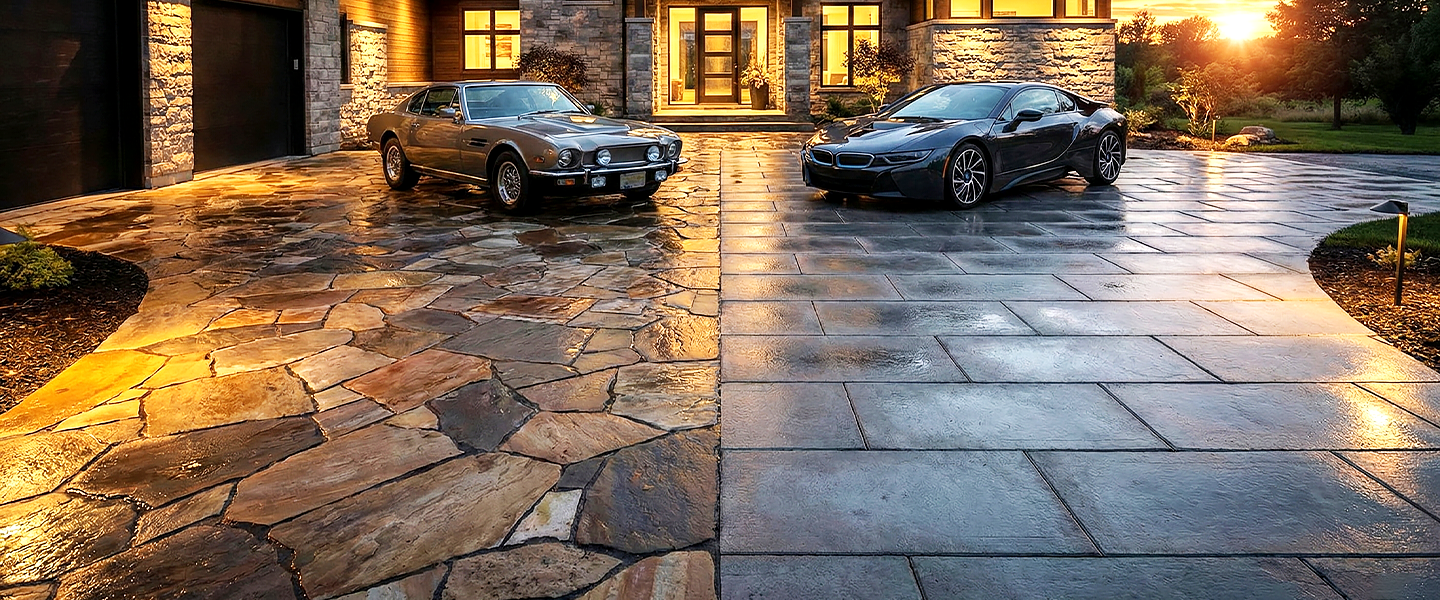
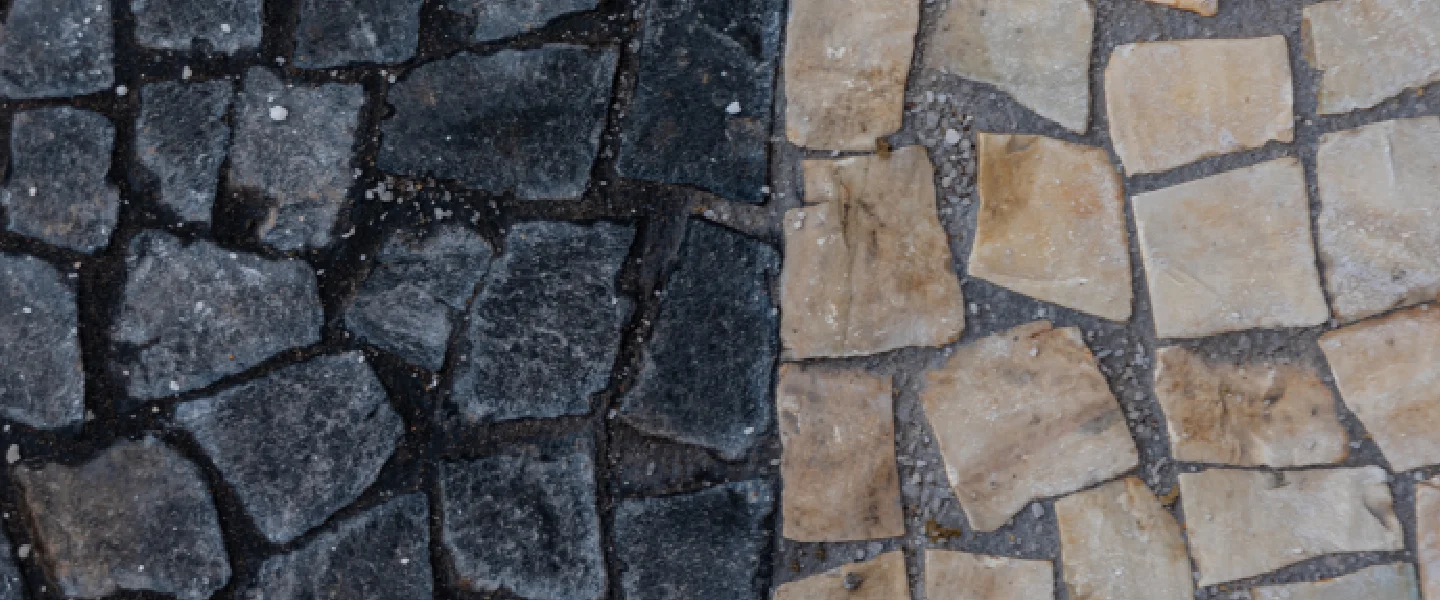
The first winter is usually when the truth shows up.
A patio that looked flawless in October can tell a very different story by April. Small cracks appear. Edges start to flake. Sometimes a stone even splits clean in half. Most homeowners assume it’s a poor installation.
But in many cases, the real issue is the stone itself.
Natural stone isn’t all built for the same climate. While some can struggle in warm regions, they can suit in colder areas in Ontario. Their endurance breaks when deep freezes or temperature swings happen, brutally.
That’s why while you choose a natural stone paver, debate upon the limestone vs. sandstone automatically comes up as they’re most reliable and best pavers for patios and outdoor spaces.
Both stones can look stunning on day one. The real difference appears years later – after snow, salt, and shifting temperatures have had their say.
After installing natural stone across Ontario projects for more than two decades, we’ve seen how each material behaves in the real world. Some patios still look nearly new after 15 winters. Others start failing in just a few seasons.
So before you decide, it’s worth understanding how limestone and sandstone truly compare not in a showroom, but outside, where the climate decides which stone lasts.
#1. Limestone or Sandstone Pavers: How Each Stone Handles Canadian Winters?
Limestone
Limestone’s performance depends heavily on density and absorption rate. High-quality limestone for outdoor Canadian use should have a water absorption rate under 3% (the best grades are under 1.5%) and a compressive strength of 40–80 MPa. When those specs are met, limestone handles freeze-thaw cycles extremely well.
In our projects across Ontario, properly specified dense limestone has delivered 25–45 year lifespans with minimal maintenance. The stone weathers to a beautiful patina over time rather than degrading. For homeowners comparing limestone vs sandstone for patios, this durability often becomes the deciding factor.
Sandstone
Sandstone is more variable. It’s a sedimentary rock with a natural granular structure. The absorption rate tends to be higher and its compressive strength is comparatively lower (15–50 MPa).
Why? That porosity is what sparks problems in Canadian winters. When freezes expands or water inflates, this stone breaks apart. That we named spalling.
That said, with high-density sandstone, you can expect a lifespan of 15–30 years with proper maintenance; less if sealing is neglected.
Metric | Limestone (Premium) | Sandstone (Standard) |
Compressive Strength | 40–80 MPa | 15–50 MPa |
Water Absorption | 1.5–3% | 5–15% |
Freeze-Thaw Cycles | 50+ with sealing | 20–35 with sealing |
Expected Lifespan (Ontario) | 25–45 years | 15–30 years |
Spalling Risk | Low | Medium–High |
From the perspective of durability and lifespan, high-density limestone generally outperforms sandstone in Canadian weather. Especially in freeze-thaw conditions. So while you comparing natural stone pavers, limestone emerge as reliable one.
# 2. Limestone or Sandstone Pavers: Which One Does Cost You More?
Cost Factor | Limestone | Sandstone |
Material cost (supply) | $8–$22/sq ft | $6–$18/sq ft |
Installation (labour) | $12–$20/sq ft | $10–$18/sq ft |
Sealing (every 2–3 yrs) | $1–$2/sq ft | $1.50–$3/sq ft |
Replacement risk (10 yrs) | Low | Medium–High |
Total 20-year cost est. | $25–$55/sq ft | $28–$65/sq ft |
If you see the aforementioned table, you find sandstone is cheaper upfront. But is it worth it?
Limestone costs you slightly higher, that’s true. But it performs better in harsh climates in Canada and that provides you with a long term benefit.
That last row often surprises people, and so may you.
Sandstone’s lower entry price evaporates if you’re resealing aggressively, replacing damaged pieces, or dealing with premature failure. Over a 20-year horizon in Ontario, if you compare limestone vs sandstone to fit in, limestone almost always wins on total cost of ownership.
#3. Limestone vs Sandstone Pavers: Colour, Finish & How Each Stone Ages
When you start looking at natural stone, your first reaction may reflect upon color and overall vibe.
Limestone
While most of the limestone pieces you find in greys, soft creams, silvers, or muted blues, you feel it a bit more refined. It appears more clean though its patterns are subtle. As it ages, dense limestone develops a smooth, slightly matte patina, instead of appearing like a brand new surface. And, therefore, most designers suggest building your paveway with elegant limestones. You can use limestone driveway pavers in your home to give it a European-inspired style and transitional outdoor spaces as well.
Sandstone
Sandy yellows, rusty oranges, tans, or buffs – the vibrant set of colors of sandstones spark a completely different mood. You get more texture and variations to give your garden or cottage landscape an organic outlook.
However, while we are dealing with clients, we’ve found a very common thing, they say. The warmer tone in sandstone tends to fade easily. In fact, it can mottle unevenly. The problem again fails the long-term dependency.
#4. Maintenance Requirements: What Limestone & Sandstone Pavers Demand
Limestone
- Like most homeowners in Canada, you need to apply a penetrating impregnator sealer every few years. Let’s say, every 3-5 years you can keep it to prevent moisture and stains from settling into the stone.
- To deal with Canada’s harsh climate, your limestone paveways demand deep cleansing. So you can just use a pH-neutral stone cleaner and avoid any acidic product.
- A quick annual look at the grout or polymeric joints goes a long way. If you notice gaps or movement, re-pointing early prevents water from getting underneath the pavers.
- You might see algae or moss start forming in shaded areas. Denser limestone allows you to clean it deep, only if you can catch them early.
Sandstone
- Mostly, Canadian homeowners apply a sealing every 1-2years. The reason? It tends to absorb moisture, dirt easily, and therefore, getting stained faster.
- While the sandstone paving stones for outdoor spaces are tempted to be attractive, high-pressure washing can actually wear down the surface. Over time, its natural granular texture can be loosen.
- If a stone cracks or begins to spall, it’s worth addressing right away. Leaving it too long can allow water to work its way into the joints, which can lead to bigger issues during freeze–thaw cycles.
From hundreds of Ontario installations we’ve handled, the homeowners who are happiest with sandstone long-term are those who treat it like a garden with regular attention, seasonal sealing, and prompt intervention when something looks off. Limestone is more forgiving.
# 5. Limestone or Sandstone Pavers: How They Perform in Ontario’s Freeze-Thaw Zone
Did you know that water expands by about 9% during freezing in Canada?
Now, think of how this can worsen the longevity of your paveway.
When a paver is taking a lot of water, repeatedly dozens of times, it breaks down the internal granules. Usually, sandstone is prone to do the same higher than limestone. This is why you’ll notice flaking and pitting on lower-grade sandstones after just a few winters.
In contrast, limestone is denser. However, it has a lower absorption rate and more crystalline structure. When sealed properly, it can withstand 50+ freeze/thaw cycles without issue.
Now, if we recommend, you must go with limestone over sandstone, if your location is quite harsh. Especially when it’s north-facing, near a pond or pool, or in a snowbank.
Which Should You Choose: Limestone or Sandstone Pavers?
Here’s how we advise Ontario homeowners when they’re deciding between limestone vs sandstone pavers:
Choose Limestone if:
- Your project is in a high freeze-thaw exposure zone (anywhere in Ontario, really)
- You want lower long-term maintenance and sealing requirements
- Your design aesthetic leans contemporary, transitional, or classic European
- You’re doing a pool deck, entryway, or patio that sees regular traffic
- You want the best value over a 15-20-year horizon
Sandstone can be reliable when:
- None other than budget is your primary constraint
- You get attracted toward aesthetically warm or earthy tones
- You can proactively maintain regular cleansing and annual sealing
- or, You are doing a lower-traffic feature area, path, or stepping stones in a garden
Tips for Both Limestone & Sandstone Pavers to Survive Canadian Weather
Sandstone or limestone – both have their own advantages. However, when you choose any of them, you must give them utmost care for a better longevity.
We generally share some useful tips to our clients that work well on both stones. Here they are:
- Don’t forget to apply fresh sealer in late October and keep it until spring to deal with the first freeze.
- Prefer using rubber-edged blade or plastic shovel to avoid scratches and stains on pavers.
- If you see white salt deposits appearing on the surface, address it promptly. Before you penetrate deeper, consider a stone specialist cleaner to get the job done.
- To avoid water absorption in winter, closely inspect all joints and grout lines in spring itself.
Wrapping Up!
For most Ontario homeowners, limestone is the safer, smarter long-term choice for outdoor paving. It handles our winters better, costs less over time, and demands less of you in terms of seasonal maintenance.
That doesn’t mean sandstone has no place in a Canadian landscape. If you’re still on the fence, comparing limestone vs sandstone pavers, come in and look at both materials in person in our Ontario showroom. Otherwise, you can book a free consultation to share your project, climate exposure, and aesthetic appearance. We’ll help build your paveway with the right stone!
Frequently Asked Questions
Q1: Is limestone or sandstone better for a pool deck in Ontario?
Limestone, without hesitation. Pool environments mean consistent moisture exposure, chemical splashing, and heavy foot traffic conditions that accelerate degradation in higher-porosity sandstone. Dense limestone with a brushed or tumbled finish (for slip resistance) is our standard recommendation for Ontario pool decks.
Q2: Can sandstone pavers be used outdoors in Ontario?
Yes but often with caveats. Sandstone’s higher porosity makes it tend to have more water absorption, usually under 6%. Additionally, it needs a penetrating sealer before installation and annually after. It means, if sealing and maintenance get neglected, it can worsen the condition.
Q3: Does limestone stain easily?
All natural stone is susceptible to staining to some degree limestone more so than granite, less so than sandstone. The key is prompt cleaning and proper sealing. Dense limestone with a good penetrating sealer resists most common stains (oil, organic matter, rust) very effectively.
Q4: How do I know if my sandstone is high quality?
Ask for the absorption rate and compressive strength certificate from the supplier. Good jumbo outdoor sandstone should have water absorption below 6% and compressive strength above 30 MPa. If a supplier can’t provide material specs, that’s a red flag. We provide full material data for every stone we sell.
Q5: What finish is best for limestone pavers on a patio?
For patios in Ontario, we recommend brushed or tumbled finishes both provide excellent slip resistance and a natural look. Honed finishes are beautiful but require more maintenance to keep clean. Polished is strictly for indoor use.