Hardscape natural stone, poured concrete, or a wooden deck – what can be the best patio material to create a stunning outdoor space?
The answer doesn’t lie in only aesthetics.
From tolerating −30°C cold winter chills to withstanding 30°C sunny temperatures, your patio wear and tear by seasonal swings. That’s why choosing the right material always matters.
Moreover, every material comes with its own unique texture, frost, salt, and freeze thaw resistance and capillary activity. Therefore, deciding the right outdoor space also comes into play.
Relax! Don’t feel overwhelmed. Let us compare every corner of them to make the right move for you.
Natural Stone vs Concrete vs Wood: What’s Best for Your Canadian Patio?
Let’s talk about aesthetics, durability, lifespan, maintenance, and associated costs of concrete, wood, and natural stone patios. In the end, you’ll definitely get what is truly worth your investment.
Aesthetic Appeal & Design Compatibility
By blending visual elegance and functional cohesion, you can decide on outdoor patio design materials and improve your unique space.
Natural stone
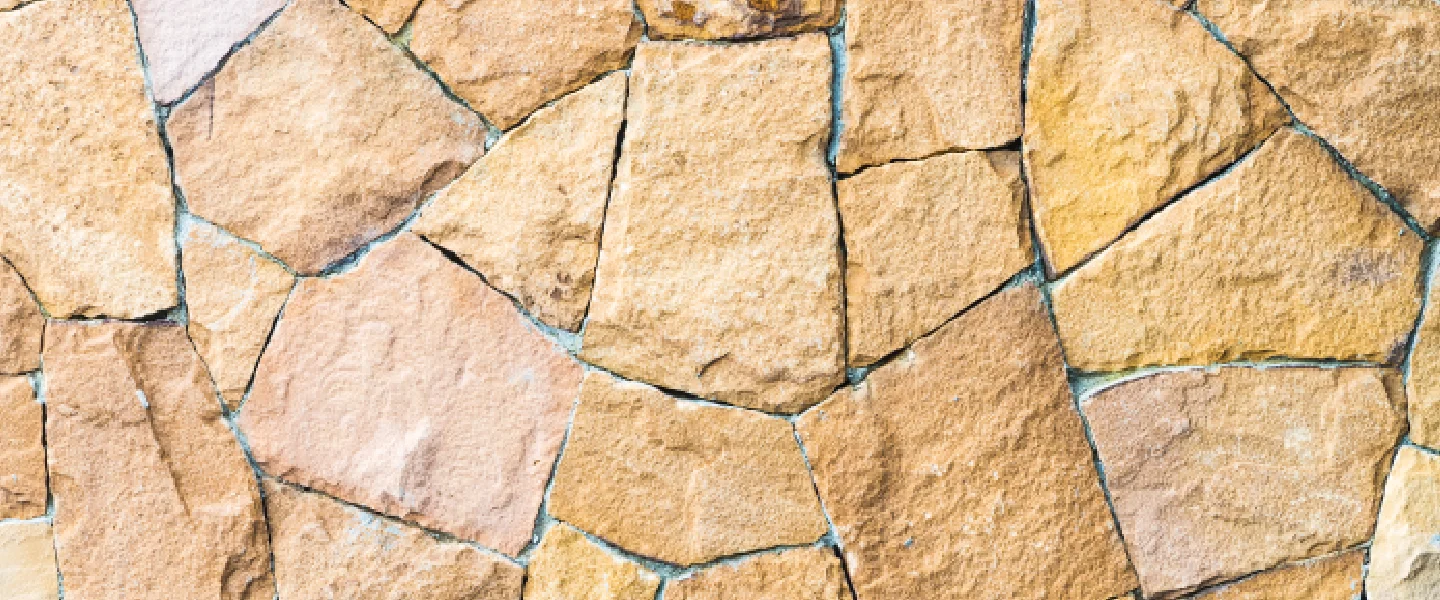
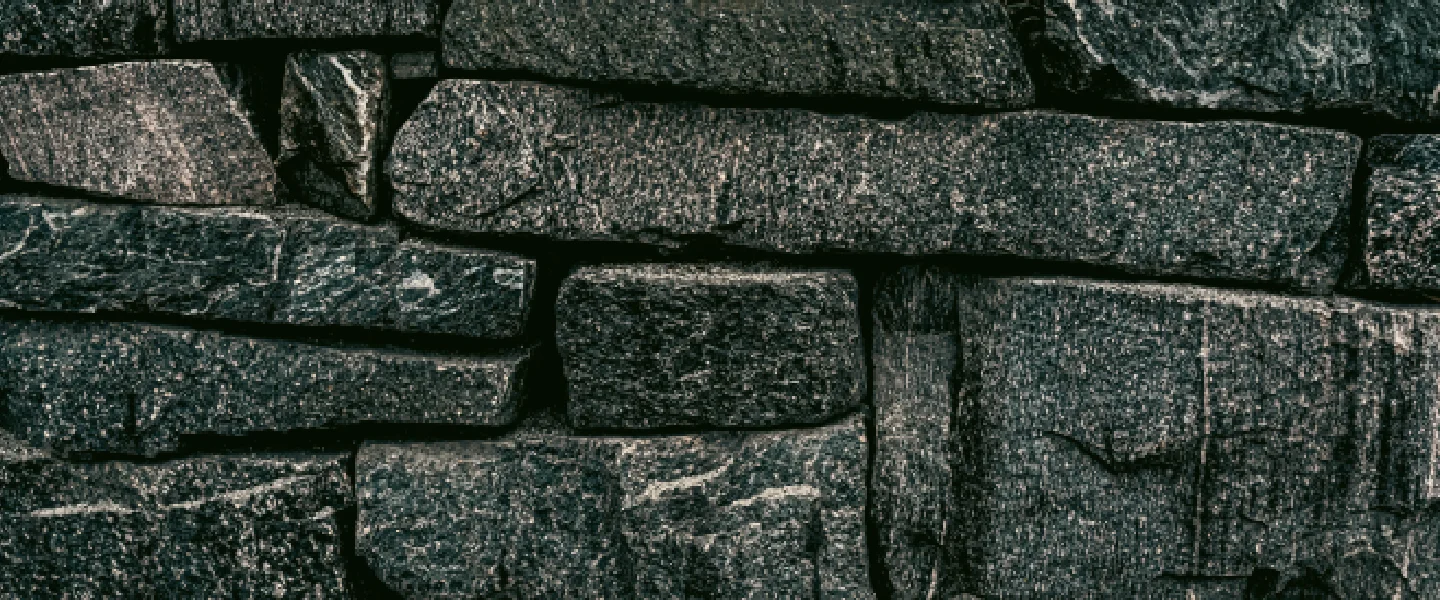
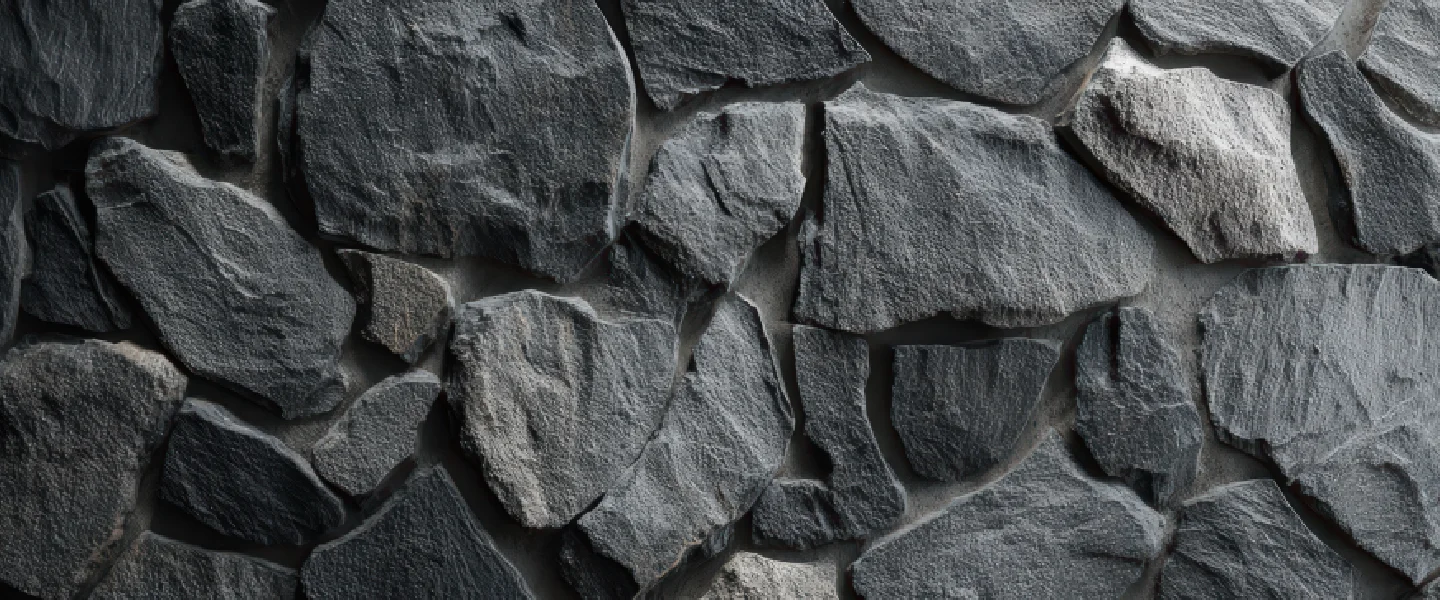
Whether you prefer antique blue limestone, silver grey granite, rustic charm of slate, or autumn brown sandstone, natural stones offer you endless possibilities. You don’t absolutely have a headache about its color fading. Built in rich texture and color depth of natural stones are slowly aging to blend with their surroundings naturally. You can include natural stone based design elements to the retaining wall, firepit, or wall stone coping.
Concrete
The man made concrete patios offer you a black canvas looking potential. This material comes with a replicated, colour-finished outlook, similar to porcelain stone, wood, or brick. But honestly, it lacks the delicacy and variation that is offered by any natural stone. Eventually, it fails the natural warmth over time while surviving multiple freeze thaw cycles.
Wood
If you want a European vibe with cottage like finish, classic wooden patios can offer you so. While it can be visually warm and organic, it cannot stay longer without fading. Wooden patios can easily grey out without staining. Reason you already know – the lower resistance to the harsh Canadian climate.
Durability & Longevity
The durable patio material ensures a longer lifespan to survive Canadian weather while providing immediate resistance to damage. So let’s look at which material could be better?
Natural stone
Natural stone patios are incredibly tough, slightly porous to non porous, and age well. When natural stone is installed with sand or gravel joints, it smoothly allows water to run off into the ground.
For example, high dense, aesthetically pleasing salt and pepper granite are hard to wear and tear. With very low porosity (around 0.4-1.5%), it absorbs minimal water (<0.4%), allowing it to handle freeze-thaw conditions effectively. However, porosity and freeze-thaw resistance can vary from stone to stone.
Natural Stone | Open Porosity % | Water Absorption % | Freeze Thaw Resistance |
Granite | 0.4-1.5% | < 0.4% | Excellent |
Quartzite | 0.5-2% | < 0.5% | Excellent |
Slate | 0.1-1% | < 0.5% | High |
Marble | 0.5- 2% | < 0.2% | Moderate |
Sandstone | 2-15% | 1-10% | Low to Moderate |
Limestone | 2-20%+ | 3-12%+ | Low |
Travertine | 10-35% | 1-5%+ | Poor |
Concrete
When comparing durability, initially, concrete slabs look stronger. However, when Canadian frost, humidity, and raindrops heave the ground, concrete slabs develop unsightly cracks. Alongside, it strains within a few years by tolerating temperature swings and failing to survive thawing cycles.
Wood
Wooden decks are neither preferable for sunny temperatures or the coldest winter. Whether its extra weight of frost or the risky fires, wooden decks are vulnerable to being damaged by both of them. Above this, moisture is an absolute enemy of wooden material. Pressure-treated wooden deck is prone to rot, warping, and splintering.
Installation & Maintenance
When you’re searching for long lasting patio materials for your outdoor space, you need to consider their installation complexity. Moreover, decide on how long you can spend to maintain proper drainage or cleanness.
Natural stone
With natural stone patios, maintenance remains minimal though initial installation requires deep excavation. After installation, it won’t demand your maximum attention. However, a quick sweep to the debris and leaves, an occasional soft cleansing with ph neutral cleaners, and a breathable sealing once in 2-3 years can keep it look fresh.
Concrete
Concrete slabs can offer you the biggest frustration. Once the forms are set and the base is prepped, the pour can happen in hours. However, the preparation must be perfect to ensure proper drainage and cracks require timely patching. Otherwise, you’ll end up standing out with minor imperfections and skating in freezing weather in December.
Wood
Wood decks require structural framing to survive the Canadian climate. This means digging post holes at least 4 feet deep to get below the frost line. Many Canadians prefer including wooden decks for sloping yards and balcony space. The only reason behind this is that wooden decks consume less space than a hardscape natural stone patio. However, don’t overlook its high-maintenance that requires power wash, sand, and restain every 1-2 years.
The Associated Cost
Now, come to the factor, the associated costs, that help you ultimately decide your long lasting patio material. You need to consider every aspect of it from labor to installation cost, post installation repair and maintenance cost, and resale value of the landscape.
Natural stone
The demand for natural stone patios remains higher than for any other material. While the upfront installation cost of a natural stone patio can range between $25-45 per square foot, the ongoing maintenance cost stays on a lower side.
However, the ranges can slightly vary depending on which natural stone you’re considering. For example, due to difficulties in quarrying and cutting, granite installation stays expensive. In contrast, sandstone gets pricier due to its high quality maintenance around the year.
Worry not! A perfectly built high quality natural stone patio can pay you off 55-75% higher ROI compared to any other material.
Concrete
Concrete slabs start with a cheaper initial investment. But when its decorative finish starts fading off and its cracks easily within a few months or years, it adds to your upkeep cost really high. Additionally, its higher carbon footprint doesn’t make it environmentally-friendly. Though affordable, it’s absolutely not suitable for long-term uses.
Wood
In the case of wooden decks, you can see a slight difference between the pressure treated wood and the composite wood. Usually, the first one ranges between $25-35, while the latter can cost $45-75 per square foot while installing.
A wood deck is often seen by appraisers as elevated square footage, which can help resale value. But it only applies when it isn’t deterred by a strain or splintering effect.
Final Thought!
When you compare natural stones, concrete slabs, and wooden decks to build your patio, the choice becomes very obvious and clear.
While natural stone offers you the durability, elegance, and longevity for generation, concrete slabs and wooden decks often fail easily. Moreover, with a proper drainage system, less maintenance, and lower upkeep costs, natural stone patios save you time and taste of your lifestyle.
Therefore, instead of being attracted to the lucratively cheaper side, choose one that gives your outdoor space a natural extension. You can consult with our expert at WorldWide Stone to get started any time!
Frequently Asked Questions
Q1: Which is better: natural stone vs concrete patio for Canadian homes?
When comparing a natural stone vs concrete patio, natural stone stands out for its durability, resistance to freeze-thaw cycles, and long-term value. While concrete may be cheaper initially, it is more prone to cracking and fading in harsh Canadian climates.
Q2: How does a stone vs wood patio in Canada comparison impact long-term performance?
In a stone vs wood patio in Canada comparison, natural stone offers superior longevity and weather resistance. Wood may look warm and inviting, but it requires frequent maintenance and is more vulnerable to moisture, rot, and extreme temperature changes.
Q3: What is the best patio material that Canada homeowners should choose?
The best patio material that Canada homeowners can choose depends on climate performance and maintenance. Natural stone is often the top choice due to its strength, aesthetic appeal, and ability to withstand extreme seasonal variations.
Q4: What are the key natural stone patio benefits for outdoor spaces?
The main natural stone patio benefits include exceptional durability, minimal maintenance, resistance to fading, and timeless visual appeal. Additionally, natural stone adapts well to freeze-thaw cycles, making it ideal for Canadian environments.
Q5: Which are the most durable patio materials that homeowners based on cold climate regions demand?
Among the most durable patio materials in cold climate regions, natural stone ranks highest due to its low water absorption and high resistance to cracking. Compared to concrete and wood, it performs better under extreme weather conditions and lasts significantly longer.