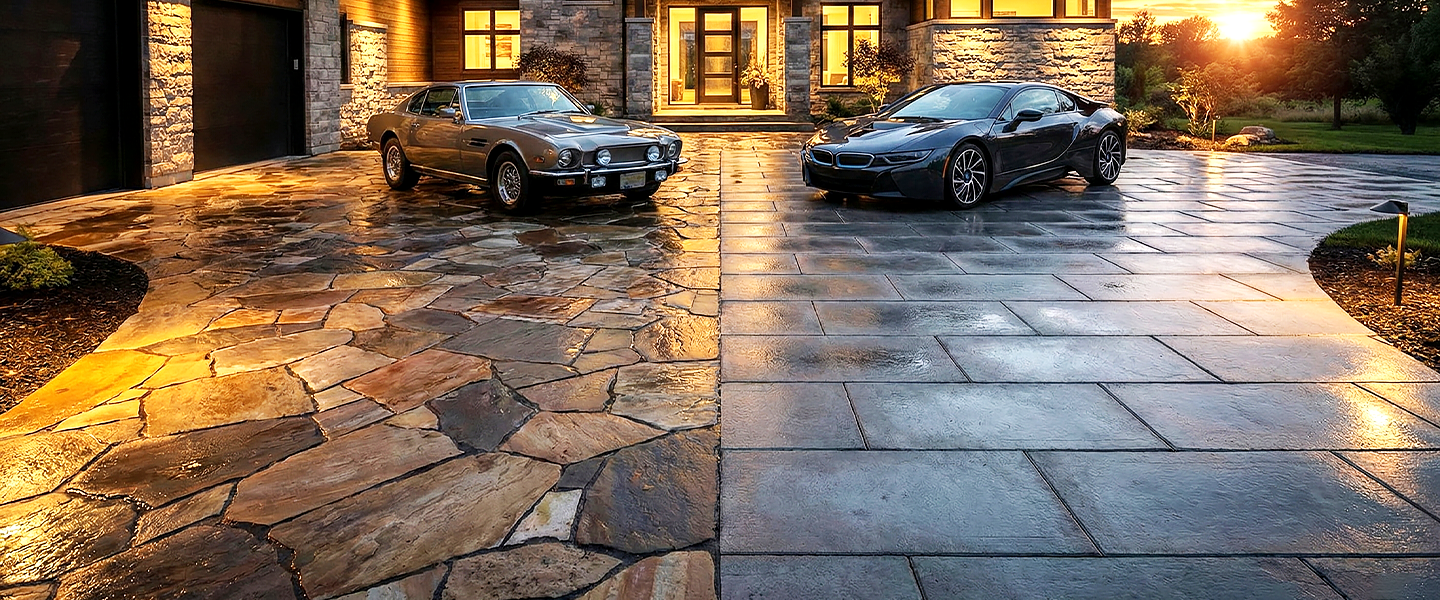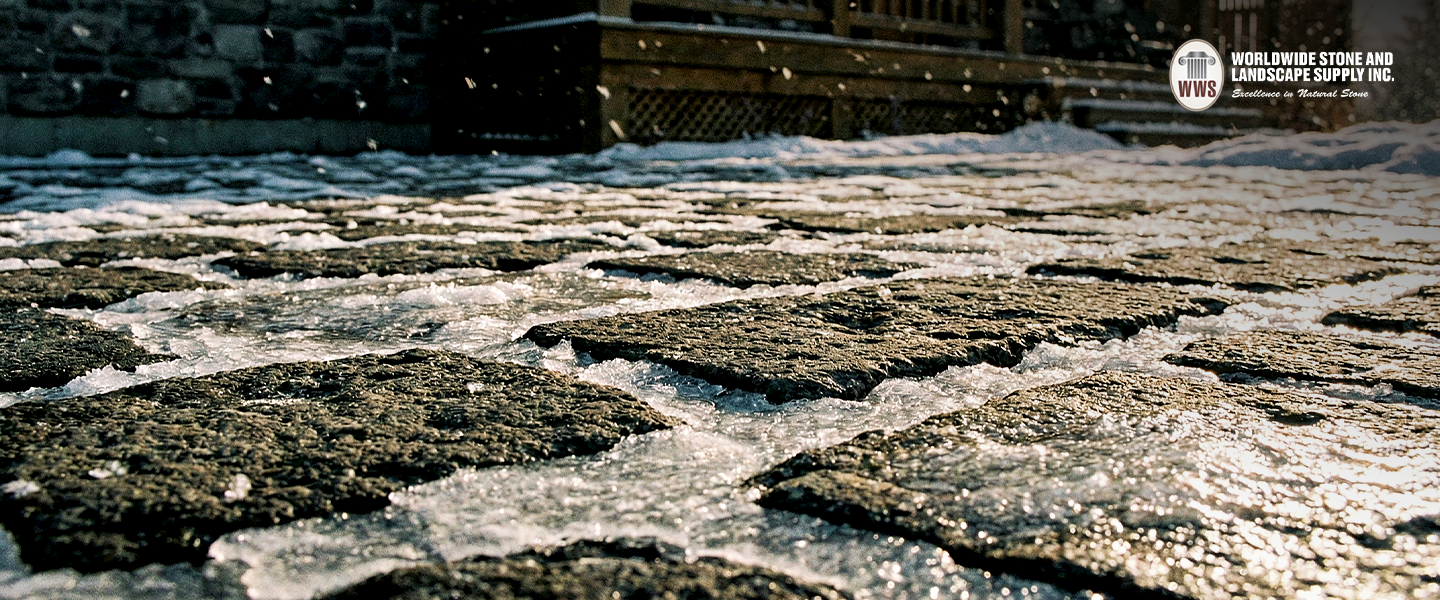
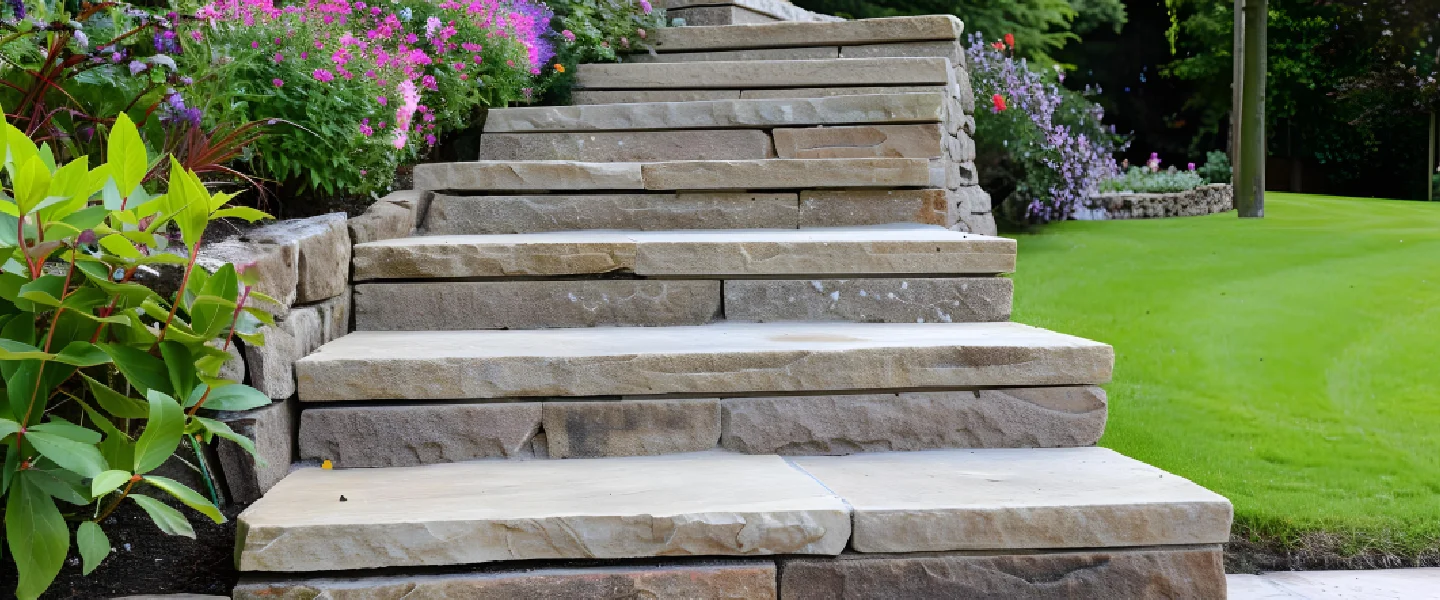
Every spring, we get calls from homeowners across Ontario staring at cracked, heaved, or faded driveway pavers materials that looked gorgeous in a showroom brochure but simply weren’t built for a Canadian winter. We’ve seen it too many times. The truth is, choosing between natural stone vs. porcelain pavers for your driveway isn’t just about looks, it’s about survival. Freeze-thaw cycles, snowplow abuse, road salt, and -30°C nights will expose every weakness in whatever you put down.
At Worldwide Stone, we’ve supplied and installed natural stone driveway pavers and porcelain across hundreds of Ontario properties. In this guide, we’ll give you an honest, unfiltered comparison so you can make the right call for your home, your climate, and your budget. No fluff. Just real experience.
What We’re Actually Comparing
Before we dive in, let’s be clear about what we mean. “Natural stone pavers” covers a wide family granite, limestone, sandstone, bluestone, quartzite each with distinct personalities. Porcelain pavers are engineered ceramic tiles fired at extreme temperatures, designed to mimic the look of stone while offering technical consistency.
Both can look stunning. Both have a place in Canadian landscaping. But they behave very differently when the temperature drops.
Natural Stone Driveway Pavers: The Case For Going Natural
There’s a reason natural stone has been paving roads and courtyards for thousands of years. It’s not nostalgia, it’s performance.
Durability That Outlasts the House
Granite, in particular, is one of the hardest materials you can put under a car. We’ve installed granite pavers on driveways in Oakville and Barrie that are still holding up flawlessly after 15+ years of Canadian winters. Properly sourced and sealed granite can handle the freeze-thaw cycle without absorbing enough water to crack. The key word there is properly sourced density and porosity vary massively between quarries, which is why we import only verified, tested stone.
Limestone and sandstone are softer, more porous options that require more care. Sandstone driveway pavers have a beautiful, warm character but they need appropriate sealing and may not be the best choice for high-traffic vehicle areas without the right finish and thickness.
The Aesthetic You Can’t Replicate
Honestly? There’s no porcelain tile on the market that fully captures the depth, variation, and warmth of real stone. Each slab is unique. The veining in a piece of quartzite, the warmth of golden limestone, the timeless authority of a dark granite are things that photographs don’t do justice to. Natural stone doesn’t just age gracefully; it often gets better over time.
Repairability
This is underrated. If a natural stone paver cracks or gets damaged, you replace that individual piece. The new stone weathers in over a season and blends. With porcelain, matching an exact batch after a few years is nearly impossible; you may end up replacing a whole section.
Environmental Credentials
Natural stone is, by definition, a natural product. At Worldwide Stone, we source from quarries with responsible extraction practices, and stone has no manufacturing carbon footprint. If environmental impact matters to you, that’s worth weighing.
Porcelain Pavers for Driveways: Where They Genuinely Shine
Porcelain has earned its place, and we’d be doing you a disservice to dismiss it. For the right project, it’s exceptional.
Frost Resistance by Design
This is porcelain’s strongest card. High-quality porcelain pavers for driveways in Canada are manufactured to near-zero water absorption (typically below 0.5%) which means there’s virtually no moisture inside the tile to freeze and expand. According to the Natural Stone Institute’s standards, freeze-thaw resistance is directly tied to absorption rates, and this is where dense porcelain genuinely has an edge over softer natural stones.
For outdoor porcelain tiles in Ontario, look for products with a minimum 20mm thickness specifically rated for vehicular use. Thinner tiles rated for pedestrian traffic only will crack under car loads. We’ve seen it happen when homeowners or contractors cut corners on spec.
Consistency and Uniformity
If you love the look of a perfectly consistent, clean grid, porcelain delivers that in a way natural stone can’t. Every tile is the same thickness, the same surface texture, the same tone range. For contemporary architecture the clean-lined homes going up across Mississauga, Vaughan, and East Toronto this uniformity can be the look.
Low Maintenance (With Caveats)
Porcelain doesn’t need sealing. Road salt won’t stain it. Moss and algae find it harder to grip a glazed surface. For a homeowner who wants set-it-and-forget-it, that’s genuinely appealing.
The caveat: grout joints are your enemy in a driveway. Narrow grouted joints allow water infiltration, freeze-thaw movement, and eventual cracking. Porcelain driveways need either wider sand-set joints or a professional mortar bed system designed for Canadian climate movement. Anyone installing porcelain on a driveway with standard tile-setting methods is setting you up for failure within three to five years.
Head-to-Head Comparison: Natural Stone vs. Porcelain Pavers
Feature | Natural Stone | Porcelain Pavers |
Freeze-thaw resistance | Excellent (dense stone) / Moderate (softer stone) | Excellent (if properly spec’d) |
Durability under vehicles | Excellent (granite, quartzite) | Good (20mm+ vehicular-rated only) |
Aesthetic depth | Unmatched unique variation | Consistent, clean, contemporary |
Repairability | Easy individual piece replacement | Difficult batch matching after years |
Maintenance | Sealing required every 2–5 years | Minimal no sealing needed |
Slip resistance (wet/icy) | Good with textured/flamed finish | Good with structured/brushed surface |
Environmental impact | Natural extraction, no manufacturing | Manufactured, energy-intensive production |
Cost (installed, Ontario) | $18–$45/sq ft depending on stone | $15–$40/sq ft depending on thickness/quality |
Lifespan | 50–100+ years | 25–40 years (quality-dependent) |
Colour consistency | Natural variation (feature or drawback) | High consistency across tiles |
Common Mistakes We See on Canadian Driveways
We’ve consulted on a lot of remediation projects for homeowners who had work done by less experienced contractors or made uninformed material choices. Here’s what goes wrong most often:
Using residential-rated porcelain for driveways: The 10mm or 12mm tiles sold at big box stores are not driveway tiles. Period. You need 20mm vehicular-rated porcelain pavers from a reputable supplier. If your contractor isn’t specifying tile thickness, walk away.
Skipping the proper base: This one kills both natural stone and porcelain installations. Ontario’s clay-heavy soils shift. A proper granular sub-base (typically 8–12 inches compacted) is non-negotiable. We’ve seen $40,000 driveway installations crumble because someone saved $2,000 on base prep.
Over-tightening joints on natural stone: Natural stone needs room to breathe and move. Tight mortar joints on granite pavers in a freeze-thaw climate will pop and crack. Polymeric sand or a proper expansion joint system is essential.
Buying cheap porcelain from non-specialist suppliers: There’s a reason we vet our porcelain stone product suppliers carefully. Inconsistent thickness, inadequate frost ratings, and low-grade glazing show up within two winters. If you’re sourcing porcelain pavers in Canada, work with a supplier who can provide actual frost resistance test data.
Ignoring drainage: Water has to go somewhere. A driveway with poor slope or no drainage plan turns into a skating rink and accelerates freeze-thaw damage to any paving material. Unilock’s driveway installation guidelines outline minimum slope requirements and the same principles apply to stone and porcelain.
Ontario Winter-Specific Advice
Let’s talk about what makes Canadian driveways uniquely challenging. We’re not dealing with mild British winters. We’re talking about:
- True freeze-thaw cycling: some Ontario regions see 100+ freeze-thaw cycles per winter
- Road salt: sodium chloride is corrosive and penetrates porous materials
- Snowplow scraping: metal blades dragged across your surface repeatedly
- Spring heave: ground movement as frost leaves the soil
Invest once in natural stone, enjoy your elegant driveways for decades.
For natural stone, our recommendation for driveways is granite first, quartzite second. Both are dense enough to handle moisture infiltration and salt exposure. Seal annually with a penetrating impregnator sealer not a film-forming coating that peels. Avoid limestone or sandstone for primary vehicle areas unless you’re committed to the maintenance schedule.
For porcelain, confirm your product has a PEI (Porcelain Enamel Institute) rating of 4 or 5, frost-resistance certification, and that 20mm minimum thickness. Use a professional sand-set or mortar installation not DIY tile adhesive.
In both cases: hire someone who has actually installed driveways in Ontario, not a general tile setter or a landscaper who occasionally does pavers.
FAQ: Natural Stone vs. Porcelain for Canadian Driveways
Q1: Which lasts longer natural stone or porcelain pavers?
Dense natural stone like granite or quartzite will outlast porcelain in most cases. We’ve seen well-installed granite driveways still performing beautifully after 30–40 years. Quality porcelain should give you 25–35 years. The bigger variable, honestly, is the quality of installation.
Q2: Is natural stone more expensive than porcelain pavers in Ontario?
Not always. Installed costs overlap significantly both typically run $18–$45 per square foot depending on material grade, complexity, and base preparation. Premium granite can exceed porcelain costs; entry-level porcelain can undercut softer natural stone. Get quotes for both and compare apples to apples.
Q3: Can I use porcelain on a sloped driveway in Canada?
Yes, but surface texture matters critically. A polished or smooth porcelain surface on a slope is a liability in icy conditions. Always specify a structured, brushed, or anti-slip rated surface for any Canadian driveway application with grade.
Q4: Do natural stone driveways need to be sealed?
Most do, especially limestone, sandstone, and lighter granites. A penetrating impregnator sealer applied every 2–4 years protects against salt damage, oil staining, and moisture absorption. Dense, dark granites are more forgiving but still benefit from sealing.
Q5: What's the best natural stone for a driveway in Ontario specifically?
From our project experience, granite is the gold standard for Ontario driveways. It’s dense, frost-resistant, handles salt well, and looks incredible. Quartzite is a close second with more colour variation. Check out our natural stone pavers collection for options suited to Ontario’s climate.
Q6: Where can I see real Ontario natural stone driveway installations?
We document our work across the province from Burlington to Ottawa, Niagara to Muskoka. Browse our Ontario project gallery for real-world examples of both natural stone and porcelain installations in Canadian conditions.