Do walls need coping stones?
We’ve heard this question many times from our Canadian homeowners.
Honestly, if you can see beyond just a sense of aesthetics, modernity, or class, you experience elegance and longevity together.
There are multiple types of coping stone for walls available for you to offer higher durability and weather resistance. We’ll disclose this one by one.
So, let’s start with the very basic question first!
What is Natural Stone Wall Coping?
At its core, stone wall coping is the protective top layer of a wall. Think of it like an additional cap or just an umbrella that sits on the bricks to protect your wall from the water shading.
Natural stone wall specifically crafted from hard quarried rocks like granite and limestone. Well, you can count on sandstone based wall coping as well. This type of coping specifically serves two vital purposes:
- Diversion: To save your wall brick and mortar from damage, natural stone coping directs rainwater away from the wall.
- Protection: When water seeps into a wall, the cracks through the bricks and mortar absorb heavy water. And, in winter, the same wall face spalls, a process of peeling due to ice expansions. Wall stone coping can save from spalling, cracking, or fading by ensuring the water or the ice doesn’t dip down to penetrate your masonry. It helps smoothly survive harsh freeze-thaw cycles.
What are the Best Natural Stone Coping Stones?
Material | Durability | Maintenance | Typical Aesthetic | Best for |
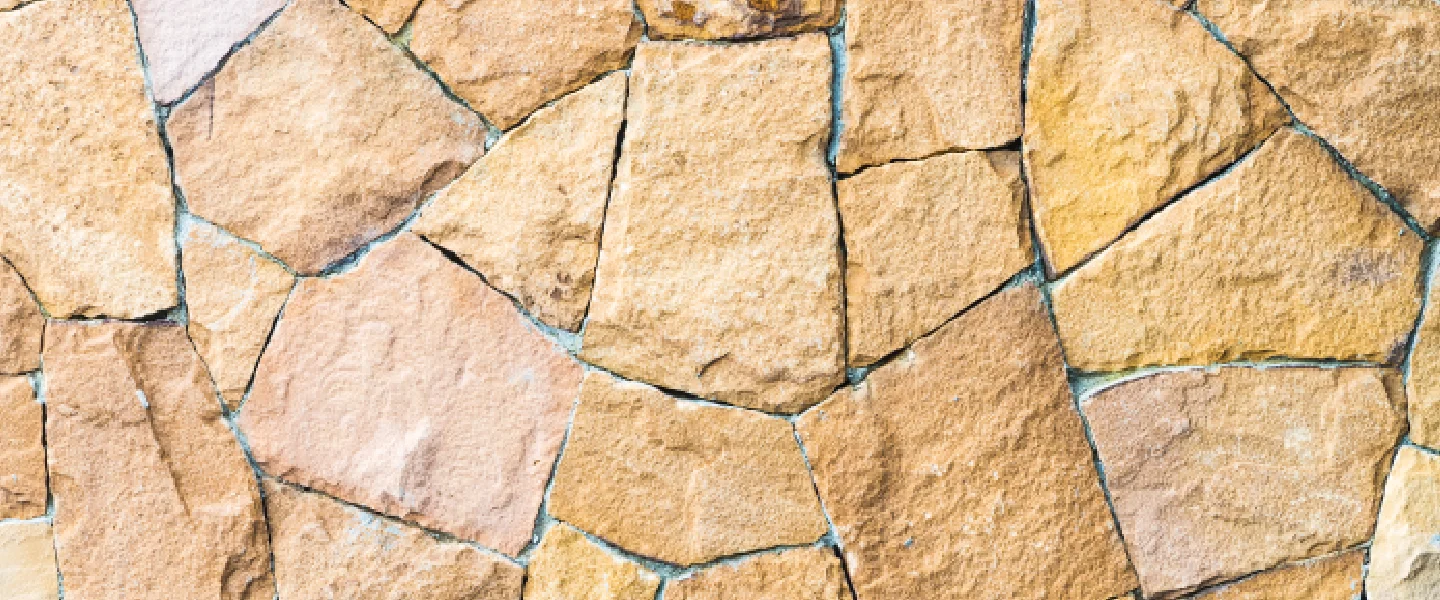
Sandstone | High | Medium | Warm, multi-tonal | Rustic patios and high-grip garden paths to resist slippery surfaces. |
Limestone | Medium to high | Medium | Consistent and modern | Minimalist designs and large uniform terraces. |
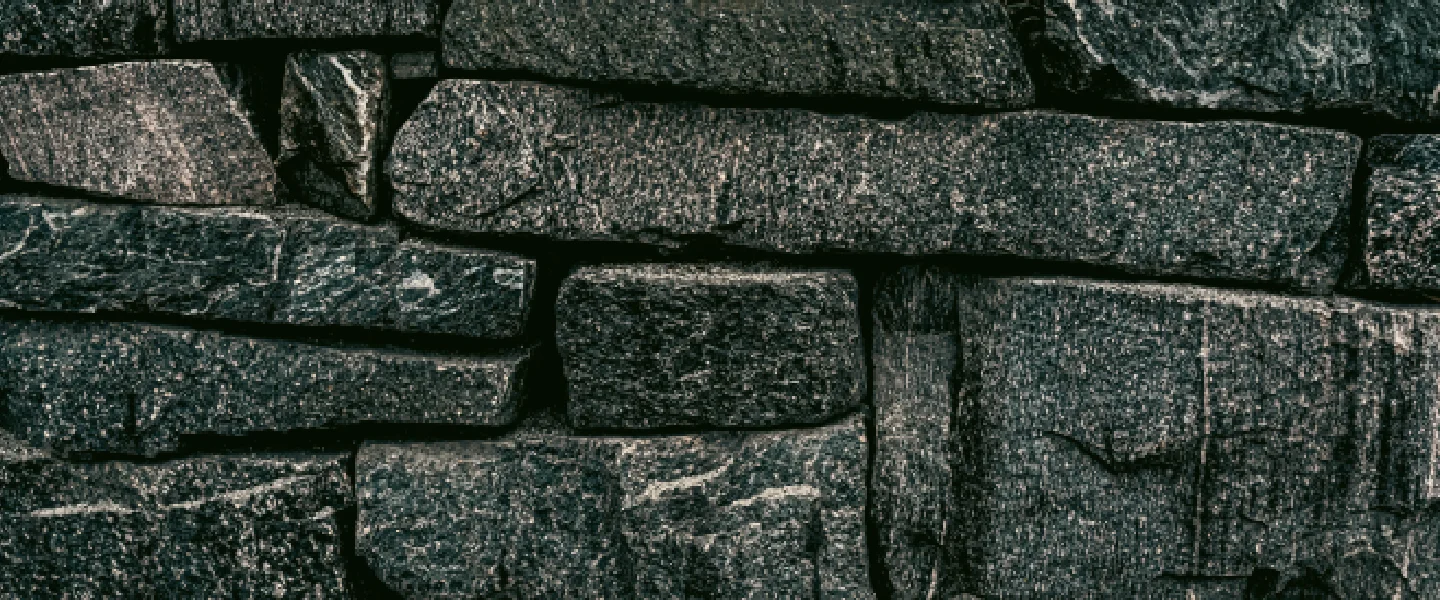
Granite | Excellent | Low | Contemporary, speckled | High-traffic areas and driveways where extreme weather resistance is needed. |
Travertine | High | Medium | Rusty, earthy elegance | Pool decks as it must stay cool under bare feet. |
Types of Wall Coping Stone Designs that Can Match Your Signature Style
While the natural stone coping offers you the same functionality, their architectural character differs. We’ve defined here the most common styles which have different stories behind their designs. Let’s have a look at them:
- Once-weathered: This type of mono slope sets the wall coping in a single direction. For example, when you want to direct water away from a patio to a graden bed, or the roof to the drainage system, this wall coping can be ideal.
- Twice-weathered: These types of wall stones are often known as saddleback. Unlike one weathered, it sits high in the middle and slopes down to both edges. As twice weathered wall coping has maximum potential to water runoff, it can be your first choice to protect boundary and garden walls.
- Bullnose: Featuring a rounded, smooth edge, these bullnose wall coping offer a soft, contemporary finish and are much safer in areas where children play.
- Flat coping: If your taste is to design with sleek and minimalist wall coping, flat coping can be your go to option. While this type of wall coping doesn’t shed water as aggressively, they are the best choice for walls that double as visually pleasing finishes.
- Pillar or pier caps: While you may not find it as a typical type of stone wall coping, you can still count on it. Why? These natural stone pier caps are tilted toward all four directions, causing maximum water runoff among any other type of stone wall coping. Usually, pillar caps are used in a property’s entrance gate.
What are the Benefits of Using Natural Stone Wall Coping?
The answer is jotted down to include one more logical thought: why you need to invest in natural stone wall coping instead of any cheaper concrete alternatives.
Structural integrity
Unlike concrete, which can be porous and prone to cracking within 10 years, natural stone is incredibly dense. It handles the freeze-thaw cycle with ease. And, your wall gets protected from rotting, material deterioration, or mold growth.
Better safety
When your walls remain protected from deterioration, it doesn’t easily crumble or fall down. You can understand the importance of being saved from hazardous trips on pathways or slippery surfaces.
Minimal fading
As the color of natural stones comes from their in-built minerals, your natural stone wall coping hardly faces “true fading”. For example, a concrete wall coping can easily turn into a dull gray color over time. But natural stone coping doesn’t wear out; instead, it develops a patina to blend with surroundings naturally.
Enhanced property value
If your property is built with natural stone coping, it can be saved from fake materials that are easily available in the market. Instead, you get a blend of a variety of textures, hues, and premium finishes. While the added wall coping cannot alone increase the property value, the appealing curbs, natural aesthetics, and protective functionality can together add to better appreciation. Therefore, professional landscaping can increase your home’s value by 10-15%.
Which Type of Natural Stone Coping Should You Choose?
If you’re planning to build a protected wall in your newly built or old property, you may be confused while choosing the natural stone material. Needless to say, every natural stone coping is built for higher durability and extreme weather resistance. Though take a look at what you can choose and when:
- First, ask yourself whether you’re up for aesthetic only or you’re looking for property value. If elegant designs are your primary choice, you can go with bronte sandstone, rustic travertine, or antique blue limestone. In the second case, granite can be the ideal choice as per the research of the British Geological Survey.
- Next, check on your budget. While a concrete based wall coping can be cheaper compared to natural stone wall coping, it can add extra budget for repair and maintenance. In contrast, you need to invest a slight extra in purchasing natural stones and first installation. But post installation, repair and maintenance don’t require frequent involvement. Think wisely!
Additional Tips for Natural Stone Coping Walls Maintenance
- Ensure your natural stone pier caps wall designs have a deep groove underneath. Otherwise, it’ll tend to soak more water, instead of forcing water to the fall of the ground.
- Though natural stone wall coping doesn’t always require sealing, you can put a breathable sealing once or twice a year to protect it from dust, dirt, frost, or environmental pollutants.
- A soft brush, a PH neutral cleaner, and soft washers should be on your list. It’s absolutely mandatory to clean your natural stone based boundary walls, retaining walls, or the edge of a swimming pool coping corner.
Final Thought!
Regardless of the type of natural stone you need, the design you prefer, or your budget, we at WorldWide Stone can meet your needs.
From offering a wide range of naturally colored stones to ensuring careful installation and post-installation support, we’re here to help at every step.
You can rely on us to bring durability, elegance, and long-term value to your space. Just book your free consultation with WorldWide Stone to get started!
Frequently Asked Questions
Q1: What is natural stone wall coping and why is it important?
Natural stone wall coping acts as a protective top layer for walls, preventing water penetration and structural damage. It enhances durability while adding a refined finish, making it an essential feature for long-lasting masonry.
Q2: How does stone wall coping protect walls in harsh climates?
Stone wall coping directs rainwater away from the wall surface, reducing moisture absorption. This is especially important in freeze-thaw climates, where trapped water can expand and cause cracks, spalling, or long-term deterioration.
Q3: What are the best materials for natural stone coping stones?
The most popular natural stone coping stones include granite, limestone, sandstone, and travertine. Each offers unique benefits such as granite for durability, limestone for uniformity, sandstone for grip, and travertine for cooler surfaces.
Q4: How do I choose the right coping stones for walls?
When selecting coping stones for walls, consider factors like climate, wall type, budget, and design preference. For example, granite is ideal for high durability, while sandstone works well for rustic aesthetics and slip resistance.
Q5: Is stone coping for garden walls better than concrete alternatives?
Yes, stone coping for garden walls is generally more durable and visually appealing than concrete. Natural stone resists fading, handles weather extremes better, and requires less maintenance over time, making it a long-term investment.