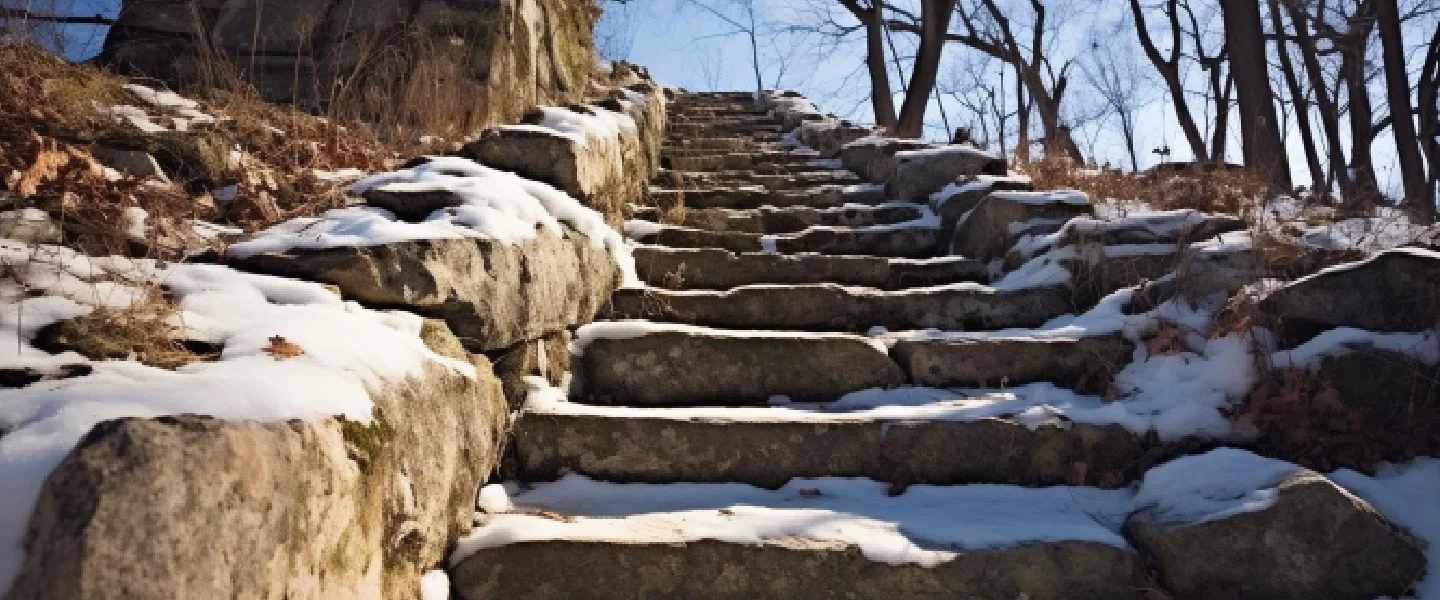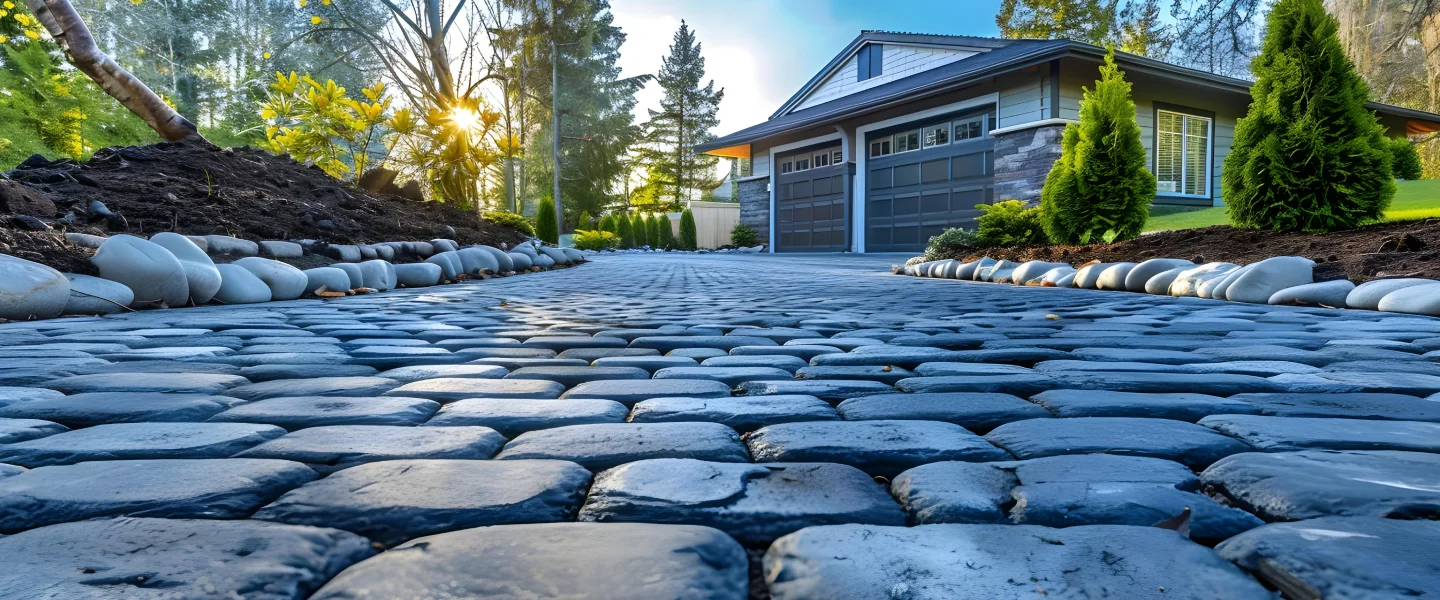
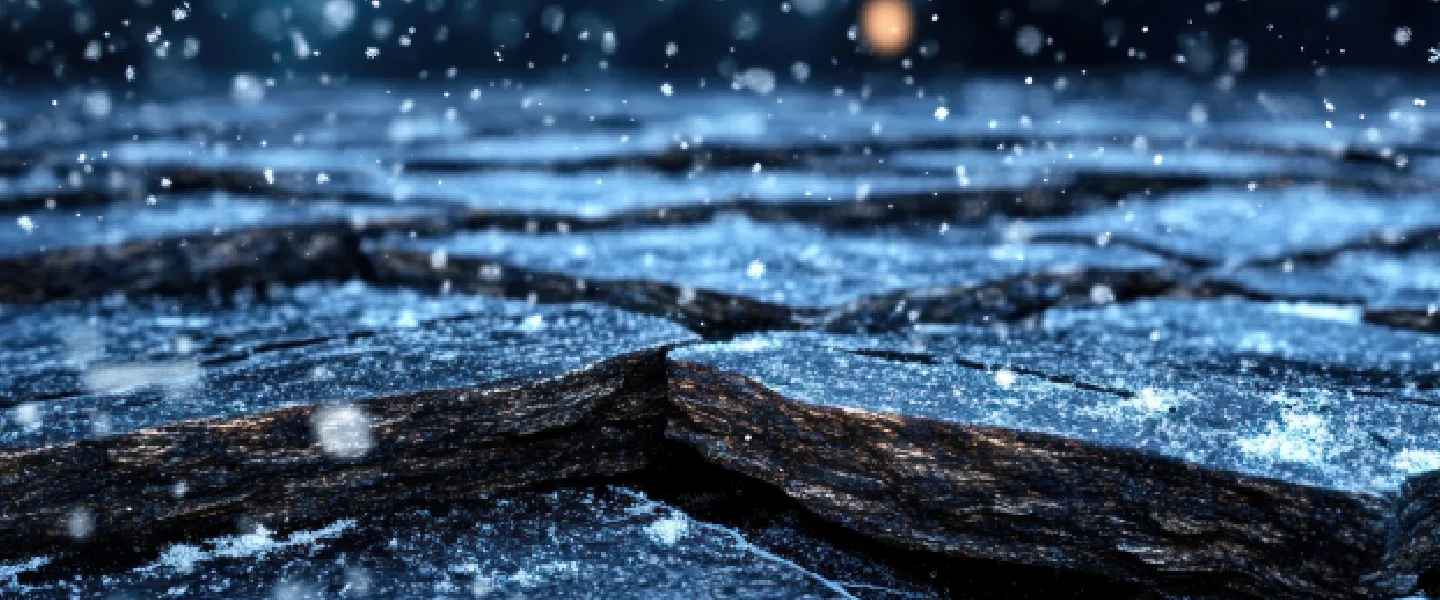
natural stone. Whether you have a stone patio, walkway, driveway, or decorative landscaping, cold temperatures, snow, and ice can cause serious damage if proper care is not taken.
In this guide, we will explain simple and practical ways to prevent stone cracking winter problems and keep your stone surfaces strong and beautiful all season long.
Why Does Natural Stone Crack in Winter?
Before learning how to protect your natural stone outdoor steps or the interior landscape, it’s important to understand the main cause of damage: multiple freeze thaw cycles.
During winter:
- Water enters tiny pores and cracks in the stone
- When temperatures drop, the water freezes and expands
- This expansion puts pressure on the stone
- Over time, the stone cracks, chips, or breaks
This repeated freezing and thawing cycle is the biggest reason for damage in Canadian climates.
1. Choose the Right Type of Stone
Not all natural stones are equally strong in cold climates. Some stones absorb more water, making them more likely to crack.
For better natural stone protection in Canadian winter, choose:
- Granite (very strong and dense)
- Slate (good resistance to moisture)
- Limestone (if properly sealed)
Avoid highly porous stones unless you are ready to maintain them regularly.
2. Seal Your Stone Surfaces Properly
Sealing is one of the most important steps to protect natural stone.
A high-quality sealant:
- Blocks water from entering the stone
- Reduces freeze-thaw damage
- Extends the life of your stone
Make sure to:
- Seal your stone before winter begins
- Reapply sealant every 1–2 years
- Use sealers designed for cold climates
This is a key part of stone maintenance in Canadian winter and can make a huge difference in preventing cracks.
3. Keep Your Stone Clean and Dry
Dirt, leaves, and debris can trap moisture on the surface. When this moisture freezes, it increases the risk of damage.
To protect stone patio cold weather, follow these steps:
- Sweep regularly to remove debris
- Clear snow as soon as possible
- Avoid letting water pool on surfaces
A clean surface is less likely to absorb water and suffer winter damage.
4. Use the Right De-Icing Products
Many people use salt or chemical de-icers during winter, but these can damage your best natural stone that are meant to prevent freeze thaw damage.
Avoid:
- Rock salt (can cause surface erosion)
- Harsh chemicals (can weaken the stone)
Instead, use:
- Sand for traction
- Stone-safe de-icing products
Using the wrong product can worsen freeze thaw damage on natural stones, so always choose carefully.
5. Repair Small Cracks Early
Small cracks may seem harmless on your elegant natural stone pavers, driveways, or in the poor corners, but they can quickly become bigger problems in winter.
Before the cold season:
- Inspect your stone surfaces
- Fill small cracks and gaps
- Fix loose stones
Early repairs help you prevent stone cracking in winter before they get worse.
6. Ensure Proper Drainage
Water is the main cause of winter damage. If water collects around your stone, it will freeze and create pressure.
To improve drainage:
- Make sure surfaces slope slightly away from structures
- Clean gutters and nearby drains
- Avoid water pooling near patios and walkways
Good drainage is essential for protecting natural stone in winter in Canada.
7. Cover or Protect High-Risk Areas
If possible, cover your stone surfaces during extreme weather.
You can:
- Use outdoor covers or tarps
- Install temporary shelters
- Protect edges and corners where damage is more likely
This extra step can help protect your permeable pavers or stone patios in cold weather and reduce exposure to snow and ice.
8. Avoid Heavy Impact on Frozen Stone
Stone becomes more brittle in cold temperatures. Heavy impacts can easily cause cracks.
During winter:
- Avoid dropping heavy objects on stone
- Be careful when shoveling snow
- Do not use metal tools aggressively
Gentle handling is part of the smart stone maintenance process in winter in Canada.
9. Regular Inspection During Winter
Don’t wait until spring to check your premium natural stone wall coping, pavers, or pier caps. Regular inspections can help catch problems early.
Look for:
- New cracks
- Loose stones
- Water pooling areas
Fixing small issues quickly helps reduce freeze thaw damage over time.
10. Work with Professionals When Needed
If your stone surface is large or already damaged, it’s best to consult professionals.
Experts can:
- Apply proper sealing
- Repair cracks effectively
- Suggest the best protection methods
Professional care ensures long-term natural stone protection in Canada.
Final Thoughts
Canadian winters can be tough, but with the right care, your natural stone can last for many years without damage. The key is to prevent water from entering the stone, maintain it regularly, and take action before winter arrives.
By following these simple steps, you can successfully prevent stone cracking in winter, reduce damage, and keep your outdoor spaces looking beautiful even in the coldest months. But before that, you need expert help to build your natural stone landscape with the right stone and proper installation steps. You can count on WorldWide Stone!
Frequently Asked Questions
Q1: How does sealing natural stone in Canada help prevent winter damage?
Sealing natural stone in Canada helps by creating a protective layer that blocks water from entering the stone. This reduces freezing inside the stone and lowers the risk of cracks during winter.
Q2: What is the best method for frost damage prevention for stone surfaces?
The best method of frost damage prevention in the natural stone is sealing the surface, improving drainage, and removing water quickly. These steps stop moisture from freezing and expanding inside the stone.
Q3: What are the most useful stone care tips in winter for Canadian homeowners?
Some helpful winter stone care tips include cleaning surfaces regularly, avoiding harsh de-icers, sealing before winter, and repairing small cracks early to prevent bigger issues.
Q4: Why is an outdoor stone maintenance guide important for winter?
An outdoor stone maintenance guide helps homeowners understand proper care steps like sealing, cleaning, and inspecting stone surfaces, which are essential for preventing winter damage.
Q5: How can I avoid cracks in paving stones during freezing temperatures?
To avoid cracks in paving stones, make sure they are sealed, keep them dry, repair small cracks early, and ensure proper drainage to prevent water from freezing inside.