When designing an attractive and long-lasting outdoor space, every detail matters. Natural Stone Pier Caps provide a practical and stylish finishing touch for brick, concrete, and stone pillars. They protect the top of a pier from moisture while also improving the overall appearance of walls, fences, entrances, and landscaping features. With their natural beauty and strong performance, stone pier caps can complement both traditional and modern outdoor designs.
What Are Natural Stone Pier Caps?
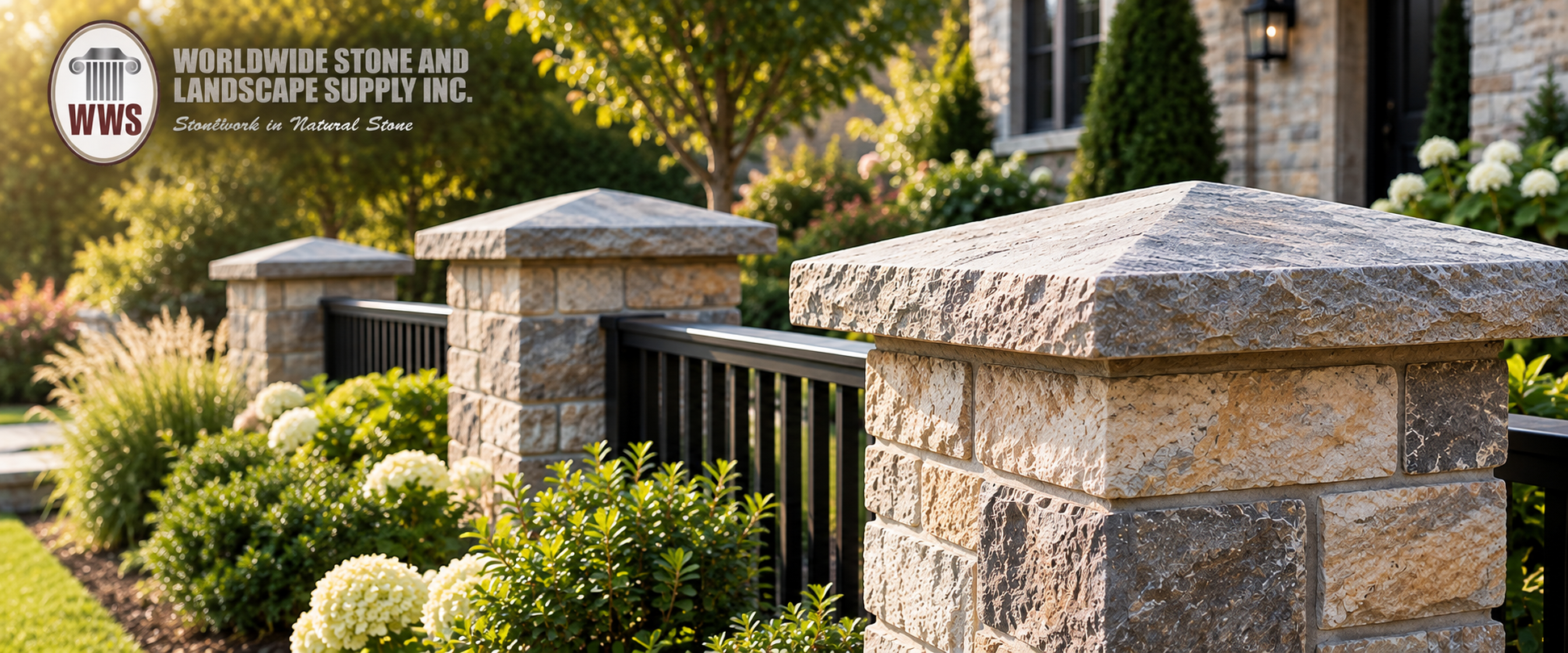
Pier caps are flat pieces of stone installed on top of pillars, columns, or masonry piers. They create a finished appearance while helping protect the structure underneath. Unlike ordinary construction materials, natural stone offers unique colours, textures, and patterns, making every installation visually distinctive.
Furthermore, homeowners can choose from different types of natural stone depending on their preferred appearance and project requirements. The right material can complement existing brickwork, stone walls, patios, driveways, and other outdoor features.
Why Choose Natural Stone for Pier Caps?
Natural stone offers several advantages for outdoor construction. First, it provides excellent durability and can withstand changing weather conditions. Rain, snow, sunlight, and temperature changes can affect exterior structures, so choosing a strong material makes a significant difference.
Additionally, natural stone creates a timeless appearance. While paint or other finishes may become outdated, stone continues to provide a classic look that works with different architectural styles.
For homeowners searching for stone pier caps Canada, natural stone provides an excellent option for properties that experience different seasonal conditions. With proper installation and maintenance, stone caps can maintain their appearance and function for years.
Benefits of Using Stone Pier Caps
One of the main benefits of pier caps is protection. The cap creates an overhanging surface that helps direct rainwater away from the sides of a pillar. As a result, it can reduce water exposure and help protect the masonry beneath.
Moreover, pier caps improve curb appeal. A well-designed cap adds structure and character to garden walls, entry pillars, fences, and other outdoor features. For landscaping projects, landscaping pier caps can create a polished transition between different materials.
Another advantage is versatility. You can use outdoor stone pier caps for residential gardens, entrance columns, boundary walls, patios, and other exterior applications. Therefore, they work well for both functional and decorative purposes.
Choosing the Right Stone Pier Caps
Before selecting a pier cap, consider the size and design of the existing structure. Measure the width and depth of the pier carefully so the cap provides suitable coverage. An appropriately sized cap should extend slightly beyond the edges of the pier to provide effective protection.
Next, consider the stone type, colour, texture, and finish. The cap should complement the surrounding materials instead of looking disconnected from the overall design.
For Canadian properties, homeowners may also look for Stone pier caps Ontario suppliers and products that suit local outdoor conditions. Choosing quality stone can help create durable pier caps that continue to perform well while maintaining their visual appeal.
Custom Options for Your Project
Every outdoor project has different dimensions and design requirements. Therefore, standard sizes may not always provide the right fit. Custom stone pier caps offer greater flexibility because they can be produced according to specific measurements and design preferences.
Customisation can also help homeowners match the colour, edge profile, thickness, and finish of existing stonework. As a result, the completed project can look more cohesive and professionally designed.
Installation and Maintenance Tips
Proper installation plays an important role in the performance of stone pier caps. Before installation, make sure the supporting surface is clean, level, and structurally sound. A professional installer can select the appropriate installation method and ensure that the cap sits securely.
Fortunately, natural stone generally requires minimal maintenance. Regularly remove dirt, leaves, and other debris from the surface. Also, inspect the caps occasionally for cracks, movement, or signs of water damage. Addressing small issues early can help prevent more significant problems later.
Create a Strong and Stylish Finish
Whether you are updating a garden wall, building a new entrance, or improving an existing fence, Natural Stone Pier Caps can add both protection and visual appeal. They combine the natural character of stone with practical performance, making them a valuable choice for many outdoor projects. By selecting the right size, material, finish, and installation method, you can create a polished outdoor feature that complements your property for years to come.
FAQ's
What is the purpose of natural stone pier caps?
Natural stone pier caps are installed on top of pillars, fence posts, and gate columns to protect the masonry from rainwater and moisture. They also provide a decorative finish and enhance the overall appearance of outdoor spaces.
Which natural stone is best for pier caps?
Granite, sandstone, and limestone are popular choices for natural stone pier caps. Granite offers durability, while sandstone provides natural colours and textures. Limestone is suitable for creating an elegant, classic appearance. The right choice depends on the design, climate, and intended application.
How do you choose the right size of natural stone pier cap?
Measure the width and depth of the pillar before selecting a pier cap. Choose a cap that extends beyond the pillar edges to help direct rainwater away from the masonry. Worldwide Stone offers pier caps in various sizes, including 24 × 24, 28 × 28, and 30 × 30 inches.
How do you install and maintain natural stone pier caps?
Ensure the pillar surface is clean, level, and stable before installation. Use a suitable exterior-grade mortar or stone adhesive to secure the cap, following the manufacturer’s instructions. Clean the surface regularly with water and a mild stone-safe cleaner, and avoid harsh acidic chemicals.