Every Ontario homeowner who has dealt with a cracked driveway or a heaved patio knows exactly what caused it in winter.
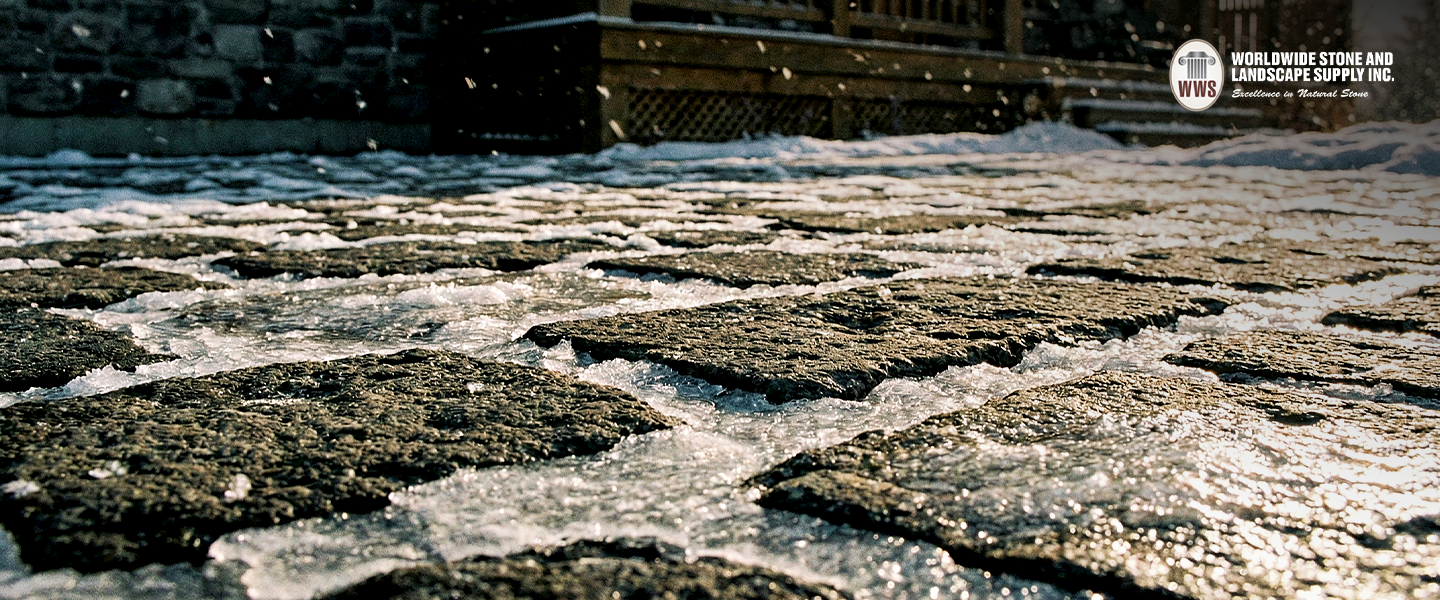
Not just the cold itself, but the cycle. Water seeps into the surface, freezes, expands, thaws, and seeps again. Over and over, season after season. And if your paving material isn’t built to handle that, it doesn’t matter how good it looked on installation day.
So the question with permeable pavers isn’t just “do they drain well?” It’s whether they can actually survive Canadian winters without buckling, cracking, or shifting underfoot.
Let’s get into it.
What Are Permeable Pavers, and Why Does It Matter in Canada?
Permeable pavers are designed to let water pass through the surface rather than pool on top of it. In a country where spring snowmelt and heavy rainfall regularly overwhelm traditional drainage, this is genuinely useful. Municipalities across Ontario have started encouraging permeable installations for exactly this reason they reduce runoff and ease pressure on storm systems.
But permeability is a double-edged feature in a freeze-thaw climate. A surface that absorbs water freely is also a surface that holds moisture and moisture trapped in or under a paving material during a freeze is what causes damage. The real question is how much water your pavers absorb, and where that water goes when temperatures drop.
This is where material choice makes all the difference.
Porcelain Patio Tiles in Ontario: The Low-Absorption Advantage
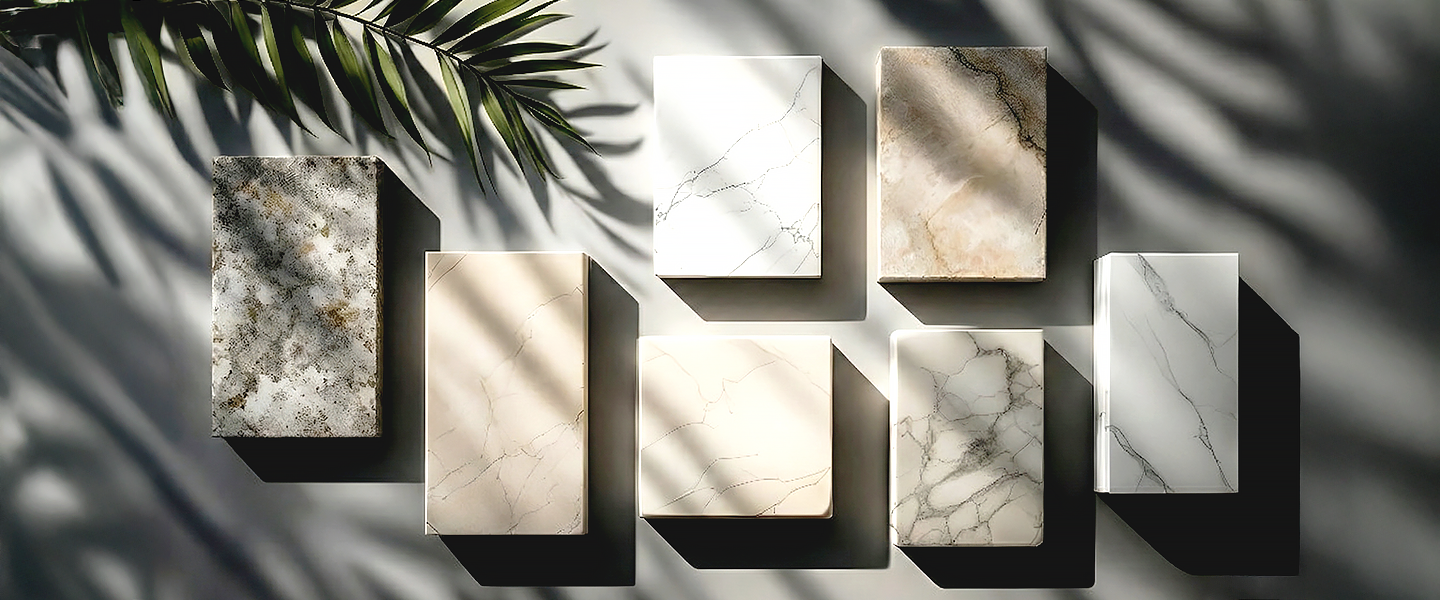
Porcelain driveway tiles Ontario homeowners are increasingly choosing have one key technical advantage in freeze-thaw conditions: extremely low water absorption. High-quality porcelain patio tiles Ontario suppliers offer typically sit at or below 0.5% water absorption meaning almost no moisture enters the tile body itself.
When water can’t penetrate the tile, it can’t freeze inside it. The freeze-thaw damage mechanism is essentially neutralised at the surface level. That’s why porcelain driveway tiles have become a go-to choice for Canadian homeowners who want a modern, low-maintenance surface that doesn’t deteriorate winter after winter.
Among the best porcelain tile suppliers Ontario has to offer, the key differentiator isn’t just the tile itself it’s the thickness and the base preparation. Outdoor porcelain used for driveways should be a minimum of 20mm thick, installed over a properly compacted, well-draining sub-base. Cut corners on the base, and even the best tile will shift.
At Worldwide Stone, our WWS Porcelain range including Jet Black, Dove Grey, Grave Grey, and Black Brazilian is engineered for outdoor use in Canadian conditions. Each option is designed for the temperature extremes Ontario throws at it year-round.
Natural Stone Pavers: Durable by Nature
Not everyone wants the crisp, uniform look of porcelain. If you’re drawn to the character and texture of earth materials, natural stone paving stones for driveways remain one of the strongest long-term choices available provided you pick the right stone type.
Granite pavers for driveways in Ontario are widely regarded as the most freeze-thaw resistant natural stone option. Granite is dense, non-porous by nature, and thermally stable meaning it doesn’t expand and contract dramatically with temperature shifts. A properly installed granite driveway in Ontario will outlast almost any other paving surface, including concrete.
Sandstone and limestone have more variation in their natural porosity. Some cuts perform excellently; others absorb more water and need more careful sealing to hold up through multiple freeze-thaw cycles. This is why sourcing matters. Stone quarried and selected specifically for Canadian climate conditions will perform very differently to material sourced without that consideration.
At Worldwide Stone, every natural stone product we supply is handpicked with Ontario winters in mind. We’ve been doing this since 1996 and the performance standards we apply haven’t changed.
The Freeze-Thaw Test: Porcelain vs. Natural Stone Side by Side
Water Absorption: Porcelain sits below 0.5%. Dense natural stones like granite sit between 0.1–0.5%. More porous stones like some sandstones can be higher, which is why sealing matters.
Surface Cracking: Porcelain, if it cracks, tends to crack cleanly and individual tiles can be replaced. Natural stone, particularly granite, rarely cracks under freeze-thaw alone; it’s the base beneath it that usually causes movement.
Colour Retention Through Winter: Porcelain holds colour uniformly because it’s kiln-fired and non-reactive. Natural stone develops a patina over time for many homeowners, that’s part of the appeal.
Long-Term Maintenance: Porcelain needs very little. Natural stone benefits from periodic resealing, especially in high-traffic or high-moisture areas.
Both materials can survive Ontario winters. What they can’t survive is poor installation.
Don’t Ignore the Edges: Coping and Curbing
One of the most overlooked parts of any permeable paving project is what happens at the edges. Outdoor stone coping Ontario homeowners use to finish driveways and patios isn’t just decorative; it seals the perimeter, controls where water drains, and prevents the structural creep that leads to uneven surfaces over time.
Natural stone patio edging in Ontario needs to be installed with the same attention to freeze-thaw resistance as the main surface. Copings that absorb water and aren’t properly sealed will heave and crack at the edges before the main paved area shows any wear.
The same applies to driveway curbing in Ontario. Stone curbs define your driveway boundary and hold your pavers in lateral alignment but they also need to be dense, properly bedded, and matched to your paving material for a consistent, long-lasting result.
For pool surrounds, stone pool coping in Canada faces additional challenges: the combination of pool water, chemical exposure, and freeze-thaw cycling is demanding. Dense natural stone or high-grade porcelain, both properly sealed and installed, are the two materials that consistently hold up in this environment.
So Do Permeable Pavers Survive Freeze-Thaw in Canada?
Yes. But with conditions.
The right material, dense porcelain or high-quality natural stone like granite combined with a properly compacted, well-draining base is what makes the difference between a paved surface that lasts 30 years and one that needs attention every spring.
Permeability itself isn’t the enemy. Poor base preparation, high-absorption materials, and skipping the seal coat those are the enemies.
If you’re planning a driveway, patio, pool surround, or walkway in Ontario and want stone or porcelain that’s genuinely suited to the climate, get in touch with the Worldwide Stone team. We’ll help you choose the right product and point you toward installers who know how to do it properly.
Frequently Asked Questions
Q1: Are porcelain driveway tiles suitable for Ontario winters?
Yes provided they’re at least 20mm thick and installed over a properly drained, compacted sub-base. High-quality porcelain has a water absorption rate below 0.5%, which means freeze-thaw cycling has minimal impact on the tile itself.
Q2: Which natural stone is best for driveways in a freeze-thaw climate?
Granite is widely considered the best natural stone for Ontario driveways. It’s dense, thermally stable, and naturally low in porosity. Silver Grey and Kota Black granite are among the most popular choices for Canadian residential driveways.
Q3: Do I need to seal natural stone pavers in Ontario?
For most natural stone types, yes. Sealing reduces water absorption, protects against staining, and extends the life of the stone particularly through freeze-thaw cycles. Dense stones like granite need less frequent sealing than more porous options like sandstone.
Q4: What is stone coping and why does it matter for a driveway or pool?
Coping is the edging or cap that finishes the perimeter of a driveway, patio, or pool surround. It controls drainage direction, protects the structural edges from water penetration, and provides a clean finish. For pool areas especially, choosing the right coping material for freeze-thaw conditions is essential.
Q5: How do I choose between porcelain and natural stone for my Ontario project?
It depends on your priorities. Porcelain offers a modern look with minimal maintenance and excellent freeze-thaw resistance. Natural stone offers character, longevity, and a connection to natural materials with slightly more maintenance required. Both are excellent choices when properly sourced and installed. The Worldwide Stone team can help you decide based on your specific project.